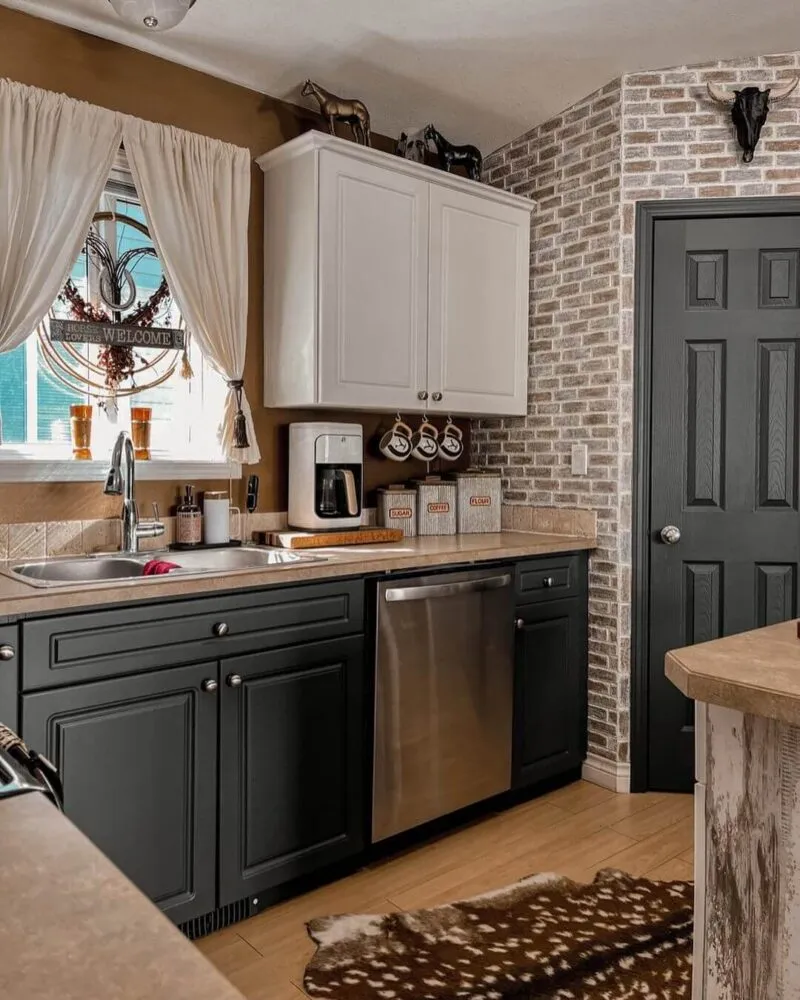
Transforming your kitchen into a rustic oasis is a journey of embracing the spirit of the Wild West, blending warmth, comfort, and a touch of rugged charm. This guide will walk you through the steps to create a stunning Western-themed kitchen, from understanding the foundational design principles to incorporating the key elements that define this beloved aesthetic. Whether you’re starting from scratch or looking to refresh your existing space, we’ll provide you with the knowledge and inspiration to design a kitchen that feels both inviting and authentically Western. Get ready to saddle up and create a kitchen that tells a story of the American frontier!
Embracing the Western Kitchen Decor Style
Western kitchen decor is more than just a design style; it’s a lifestyle that evokes the spirit of the American West. It’s about creating a space that feels warm, welcoming, and connected to the land. The style emphasizes natural materials, earthy tones, and handcrafted elements, all of which contribute to a sense of comfort and authenticity. To truly embrace this style, consider the history and culture that inspire it. Think of the rustic ranches, the open plains, and the enduring spirit of cowboys and pioneers. The goal is to bring those elements into your kitchen, making it a place where you can relax, cook, and gather with loved ones, all while celebrating the beauty of the Western landscape.
Understanding the Roots of Western Design
The Western design aesthetic has deep roots in the history and culture of the American West. It draws inspiration from the architecture and furnishings of the early settlers, cowboys, and Native American communities. Key influences include the use of natural materials like wood, stone, and leather, which were readily available and essential for building and living in the harsh environment. The style also incorporates elements from Spanish Colonial design, seen in the use of arches, stucco, and wrought iron. Understanding these roots helps you appreciate the authenticity and character of Western decor. The emphasis on handcrafted items, the use of warm, earthy colors, and the incorporation of motifs like horseshoes, stars, and cattle brands all tell a story of resilience, resourcefulness, and the enduring spirit of the West.
Key Elements of Western Kitchen Decor

Several key elements define the Western kitchen decor style. These elements, when combined thoughtfully, create a cohesive and inviting space. The use of natural materials is paramount. Think about exposed wood beams, stone countertops, and wooden cabinets. Earthy color palettes, including shades of brown, beige, terracotta, and deep reds, are essential. Rustic furniture, such as a farmhouse table and wooden chairs, adds to the overall aesthetic. Decorative accents like wrought iron fixtures, leather accents, and Native American-inspired textiles are also important. Incorporating these elements in a balanced way is crucial to achieving a true Western kitchen look.
Rustic Furniture Selection
The furniture you choose plays a crucial role in setting the tone of your Western kitchen. Opt for pieces that are made from solid wood, such as pine, oak, or reclaimed timber, to add a rustic and authentic feel. A large farmhouse table is an excellent centerpiece for your dining area, and wooden chairs with leather or woven seats complement the table perfectly. Consider a kitchen island with a distressed finish for extra counter space and storage. Look for furniture with handcrafted details, such as visible joinery, hand-carved designs, or metal accents. Avoid sleek, modern designs in favor of pieces that look weathered and well-loved, as this will contribute to the overall charm of your Western kitchen.
Choosing the Right Color Palette
The color palette of your kitchen sets the stage for the entire design. Western kitchens typically feature warm, earthy tones that evoke the landscapes of the West. Start with a base of neutral colors like beige, cream, or light brown for your walls and cabinets. These colors create a sense of openness and provide a perfect backdrop for the bolder accent colors. Incorporate shades of terracotta, rust, and deep reds to add warmth and personality. Consider using these colors in your textiles, such as curtains, rugs, and kitchen towels. Darker tones, like deep greens and browns, can also be incorporated to create depth and contrast. Ensure the colors you choose complement each other and reflect the natural beauty of the Western environment.
Incorporating Natural Materials

Natural materials are the cornerstone of Western kitchen decor. Wood is essential, and you can incorporate it in various ways, from cabinets and countertops to flooring and exposed beams. Stone is another key material, ideal for countertops, backsplashes, or even a feature wall. Consider using granite, slate, or a textured stone for a rugged look. Leather is another excellent addition, whether in the form of bar stools, chair seats, or decorative accents. Wrought iron adds a touch of elegance and authenticity, perfect for light fixtures, cabinet hardware, or decorative details. The use of natural materials adds texture, warmth, and a sense of connection to the outdoors, which is at the heart of Western design.
Adding Decorative Accents
Decorative accents bring personality and charm to your Western kitchen. Consider incorporating items that reflect the history and culture of the West. Wrought iron fixtures, such as chandeliers or pendant lights, add a touch of rustic elegance. Leather accents, like cabinet pulls, bar stools, or placemats, add texture and warmth. Native American-inspired textiles, such as rugs and cushions with geometric patterns, can add a pop of color and cultural significance. Displaying antique kitchen tools, such as cast iron skillets or vintage coffee grinders, can add character and a sense of history. Adding elements like cowboy hats, horseshoes, or framed vintage photographs can also help to complete the theme.
Textiles and Fabrics in Western Decor
Textiles and fabrics play a crucial role in creating a cozy and inviting Western kitchen. Choose fabrics that reflect the colors and textures of the West. Natural materials like cotton, linen, and wool are ideal. Opt for patterns that are inspired by Native American designs, such as geometric patterns, stripes, and tribal motifs. Incorporate these patterns into your curtains, rugs, and dish towels. Leather is another excellent choice for upholstery or decorative accents. Consider using cowhide rugs, or throws made of woven wool or faux fur for added warmth and texture. The right textiles will soften the space and add a layer of comfort, enhancing the overall Western aesthetic.
Lighting for a Western Kitchen

Lighting is essential in creating the right ambiance in your Western kitchen. Choose fixtures that complement the rustic style. Wrought iron chandeliers or pendant lights with Edison bulbs are excellent choices, as they add a touch of elegance and authenticity. Consider using lanterns or sconces with a distressed finish to add a warm glow. Under-cabinet lighting can also be used to illuminate countertops and create a more functional workspace. Avoid overly bright or modern lighting fixtures, and instead, opt for warm, inviting light that enhances the rustic charm of the space. Dimmer switches are a great addition, as they allow you to adjust the lighting to create the perfect atmosphere for any occasion.
Creating a Functional and Beautiful Space
While aesthetics are crucial, the functionality of your kitchen is just as important. Design your space to be both beautiful and practical. Ensure that your layout is efficient, with well-placed countertops, appliances, and storage. Consider the workflow when designing your kitchen, making sure that the sink, stove, and refrigerator are conveniently located. Maximize storage by using cabinets with pull-out shelves, pantry organizers, and drawers. Choose durable, easy-to-clean materials for your countertops and flooring. By combining functionality with the Western aesthetic, you can create a kitchen that is both a joy to cook in and a stunning representation of the Western style.
Maximizing Space in a 4x4 Kitchen
Designing a Western kitchen in a 4x4 space requires careful planning and clever solutions. In a small kitchen, every inch counts, so maximizing space is essential. Opt for space-saving appliances, such as a compact refrigerator and a slim-profile range. Use vertical storage solutions, like tall cabinets and open shelving, to make the most of your wall space. Consider a kitchen island with built-in storage and a fold-out table to provide extra counter space when needed. Light colors and reflective surfaces can make the space feel larger and brighter. Careful planning and creative solutions are key to creating a functional and stylish Western kitchen in a small space.
Small Space Solutions

In a small Western kitchen, every design choice matters. Consider these space-saving solutions. Install open shelving instead of upper cabinets to create a sense of spaciousness, and display your favorite Western-themed items. Opt for a farmhouse sink with a shallow depth to save space. Utilize corner cabinets with pull-out shelves to maximize storage. Choose a small, round dining table to save space and create a cozy dining area. Use light colors and mirrors to create the illusion of a larger space. By incorporating these small space solutions, you can create a functional and stylish Western kitchen, even in a limited area.
Storage and Organization
Effective storage and organization are vital for any kitchen, and especially important in a smaller space. Utilize every available space to keep your kitchen tidy and functional. Install pull-out shelves in your base cabinets for easy access to pots, pans, and other items. Use drawer dividers to keep utensils and cutlery organized. Consider adding a pantry organizer to make the most of your pantry space. Utilize the space above your cabinets for storing infrequently used items. Declutter regularly and get rid of anything you don’t need or use. Proper storage and organization not only make your kitchen more functional but also contribute to its aesthetic appeal, keeping your Western kitchen looking clean and inviting.
Combining Aesthetics with Practicality
Successfully blending the Western aesthetic with practicality involves making smart choices that balance style with functionality. Prioritize durable, easy-to-clean materials for countertops, flooring, and backsplashes. Choose appliances that are both stylish and efficient, such as a vintage-style refrigerator or a farmhouse sink. Incorporate practical storage solutions, such as pull-out shelves and pantry organizers, to keep your kitchen tidy. Consider the workflow when designing your space, ensuring that your appliances and work areas are conveniently located. By focusing on both aesthetics and functionality, you can create a Western kitchen that is a pleasure to use and a reflection of your personal style.
Modern Western Kitchen Decor Trends

Modern Western kitchen decor embraces the rustic charm of the West while incorporating contemporary design elements. This style combines the best of both worlds, creating a space that is both stylish and functional. Key trends include the use of clean lines, sleek appliances, and minimalist design. The combination of natural materials with modern finishes creates a unique contrast. Consider incorporating features such as stainless steel appliances, concrete countertops, and geometric-patterned tiles. The color palette is often updated with touches of gray, black, and white, creating a modern and stylish space. The goal is to infuse the spirit of the West with a contemporary sensibility.
Mixing Old and New
Mixing old and new is a key aspect of creating a stylish and interesting Western kitchen. Combine antique or vintage pieces with modern appliances and decor. For example, pair a vintage farmhouse table with modern chairs, or display antique kitchen tools alongside contemporary cooking equipment. Incorporate modern lighting fixtures with rustic elements, or use a mix of old and new textiles. This juxtaposition of styles adds depth and personality to your kitchen, creating a space that is both unique and inviting. By thoughtfully combining old and new elements, you can create a kitchen that reflects your personal style and tells a story of the past while embracing the present.
The Role of Technology
Technology plays a significant role in modern kitchens, even within a Western design. Integrate smart appliances that offer convenience and efficiency. Consider a smart refrigerator with a built-in screen, or a touchless faucet. While incorporating technology, be mindful of the overall aesthetic. Choose appliances that blend seamlessly with your decor, such as those with a stainless steel finish or a vintage-inspired design. Conceal technology where possible to maintain the rustic charm of your kitchen. The goal is to enhance functionality without detracting from the overall Western aesthetic.
Maintaining Your Western Kitchen

Maintaining your Western kitchen requires regular care and attention to preserve its rustic charm. Clean natural wood surfaces regularly, and protect them with appropriate sealants or finishes. Dust and clean decorative items regularly to keep them looking their best. Prevent scratches and water damage to your countertops by using trivets, coasters, and cutting boards. Regularly inspect and maintain your appliances to ensure they are functioning properly. By taking care of your Western kitchen, you can keep it looking its best for years to come, and preserve its timeless appeal. Proper maintenance ensures that your kitchen remains a welcoming and inviting space for cooking and gathering.
Cleaning and Care
Proper cleaning and care are essential for maintaining the beauty of your Western kitchen. Use appropriate cleaning products for different surfaces. Wipe down wooden surfaces with a damp cloth and wood cleaner to remove dust and grime. Clean stone countertops with a mild soap and water solution. Avoid using harsh chemicals that could damage the finish. Regularly clean your appliances, and wipe down your cabinets and drawers. Pay attention to the details, such as keeping your hardware clean and your decorative items dust-free. A consistent cleaning routine will keep your kitchen looking its best and help preserve its rustic charm for years to come.
Seasonal Adjustments
Seasonal adjustments can refresh your Western kitchen and keep it feeling new and inviting throughout the year. In the fall and winter, add warm touches such as cozy throws, rich-colored textiles, and scented candles. Decorate with seasonal elements like pumpkins, pinecones, and evergreen boughs. During the spring and summer, lighten the space with fresh flowers, lighter-colored textiles, and open windows to let in natural light. Consider changing your kitchen towels, rugs, and curtains to reflect the season. By making these small adjustments, you can maintain a kitchen that feels fresh, inviting, and in tune with the changing seasons, enhancing your enjoyment of the space throughout the year.
Creating a Western kitchen is a journey that allows you to express your love for rustic charm, natural materials, and the spirit of the American West. By following these guidelines, you can transform your kitchen into a welcoming oasis that reflects your personal style. Embrace the beauty of the West and enjoy the warmth and comfort of your new, uniquely designed space.