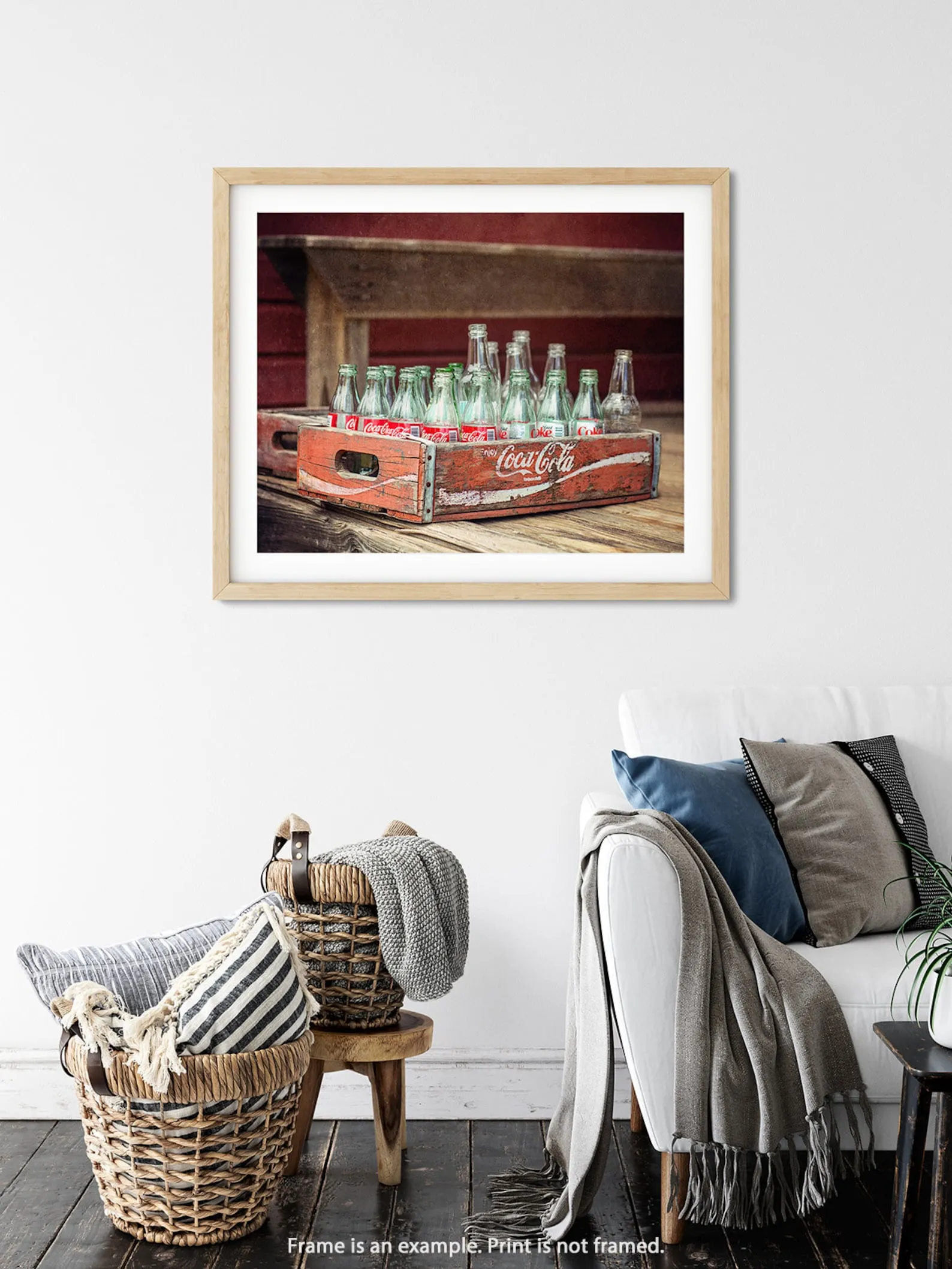
Transforming your kitchen into a rustic red haven is a rewarding project that can breathe new life into your home. The warmth and vibrancy of red, combined with the charm of rustic elements, create an inviting and cozy atmosphere. This guide will provide you with inspiration, practical tips, and expert advice to help you design and implement a stunning rustic red kitchen makeover. From selecting the perfect shade of red to choosing the right materials and accessories, we’ll cover every aspect of the transformation process. Get ready to create a kitchen that reflects your unique style and provides a welcoming space for cooking, dining, and gathering.
Planning Your Rustic Red Kitchen Makeover
Before diving into the aesthetic details, it’s crucial to have a solid plan. Consider the size and layout of your existing kitchen. Evaluate the current functionality and identify areas for improvement. Take inventory of your appliances and assess whether they fit the rustic theme. Create a budget that accounts for paint, new cabinetry, countertops, hardware, appliances, and décor. Research design inspiration and collect images of rustic red kitchens that resonate with your style. Develop a mood board to visualize your ideas and ensure a cohesive design. Careful planning will save you time, money, and stress during the renovation.
Choosing Your Red Color Palette
The choice of red is paramount to achieving the desired rustic aesthetic. Consider the mood you want to create. A deep, muted red can evoke a sense of warmth and history, while a brighter, more vibrant red will bring energy to the space. Think about the overall style of your home. Do you prefer a classic farmhouse, a cozy cottage, or a modern rustic look? This will influence the type of red you select and the complementary colors you choose.
Selecting the Right Shade of Red

The right shade of red sets the foundation for your kitchen’s ambiance. Consider shades like barn red, brick red, or cranberry for a traditional rustic feel. These hues often have brown or earthy undertones that complement wood tones and natural materials. If you prefer a bolder statement, explore brighter reds with orange or pink undertones, but be mindful of how they interact with other elements in your kitchen. Test paint samples in different lighting conditions to see how the colors change throughout the day and how they complement the other design elements of your kitchen.
Considering Undertones and Lighting
The undertones of red – whether they lean towards blue, orange, or brown – greatly influence the overall look. Blue-undertoned reds often feel cooler and more sophisticated, while orange-undertoned reds are warmer and more inviting. The lighting in your kitchen is another critical factor. Natural light will make reds appear brighter and more vibrant, while artificial light can alter their appearance. Test the paint samples in various lighting conditions, including sunlight and the light from your kitchen fixtures, to ensure you love the final result. Consider the size of your kitchen when selecting your shade of red, as darker shades can make a small kitchen feel even smaller.
Incorporating Red with Neutral Colors
Red can be a powerful color, so it’s often best paired with neutral colors to create balance and visual harmony. White, cream, beige, and gray are excellent choices to complement red. Use these neutral tones on the walls, countertops, or cabinets to create a sense of space and prevent the red from overwhelming the room. Consider using red as an accent color, such as on an island or backsplash, while keeping the majority of the kitchen neutral. This approach allows red to make a bold statement without dominating the space.
Designing Your Kitchen Layout

The layout of your kitchen is fundamental to both its functionality and aesthetics. The layout affects workflow and ease of movement. Ensure the placement of appliances, the work triangle (sink, stove, and refrigerator), and traffic flow are optimized for efficiency. Consider the amount of available space and how best to utilize it. A well-designed layout enhances the overall feel of your rustic red kitchen, making it a joy to use. If possible, consult with a kitchen designer to ensure your layout meets your functional needs and design preferences.
Optimizing Space and Functionality
Maximize every inch of your kitchen. Use smart storage solutions such as pull-out drawers, corner cabinets, and pantry organizers to increase space. Consider an island or peninsula for additional counter space and storage. Ensure the layout facilitates efficient workflow. The work triangle (sink, stove, and refrigerator) should be within easy reach. Evaluate the lighting, which includes both task and ambient lighting. Proper lighting significantly enhances the functionality and aesthetics of your kitchen.
Identifying Key Zones
Divide your kitchen into functional zones to improve efficiency. The main zones include the cooking zone (stove and oven), the cleaning zone (sink and dishwasher), and the food preparation zone (counter space). If you have enough space, create a separate area for dining or socializing. Make sure each zone has adequate lighting and storage. This will make it easier to complete tasks and maintain an organized kitchen.
Maximizing Storage Solutions

Adequate storage is crucial for a functional kitchen. Use pull-out drawers and shelves for easy access to pots, pans, and food items. Install a pantry with adjustable shelves for organizing food items and small appliances. Utilize corner cabinets with lazy Susans or pull-out shelves to maximize space. Consider open shelving for displaying decorative items and frequently used dishes. Don’t forget to consider the use of the space above the cabinets for seasonal items.
Choosing Rustic Kitchen Elements
The selection of materials and design elements is crucial for creating a rustic aesthetic. Focus on incorporating natural materials like wood, stone, and metal. Think about the texture and finish of surfaces. A rough-hewn texture adds to the rustic charm, while a weathered or distressed finish creates a sense of history. The choice of cabinetry, countertops, hardware, and fixtures is important in establishing your rustic kitchen’s look. Make your kitchen look warm, welcoming, and full of character by choosing your elements well.
Selecting Cabinetry and Countertops
Consider wood cabinets in a natural stain or with a painted finish. If painting, opt for a soft, matte finish in a neutral color or a complementary hue to the red. For countertops, choose materials like butcher block, soapstone, or granite. Butcher block adds warmth and a classic rustic feel, while soapstone and granite provide durability and visual interest. Integrate open shelving made of reclaimed wood to display dishes and decorative items. The combination of wood, stone, and color provides depth to your kitchen design.
Exploring Material Options

For cabinetry, explore solid wood options like oak, maple, or cherry. Consider distressed finishes to enhance the rustic appeal. For countertops, granite, soapstone, and butcher block are great choices. Granite offers durability and unique patterns, while soapstone provides a warm, matte finish. Butcher block countertops are a classic rustic choice that will develop character over time. Use natural stone for flooring or a brick backsplash to create an authentic rustic look. Natural and reclaimed materials can add a lot of character to your kitchen.
Choosing Rustic Hardware and Fixtures
The hardware and fixtures you choose can instantly enhance the rustic appeal of your kitchen. Select cabinet knobs and pulls in wrought iron, oil-rubbed bronze, or antique brass. These materials add to the rustic theme. For lighting, opt for pendant lights with a distressed metal finish or a classic farmhouse-style chandelier. A gooseneck faucet in a vintage style is another excellent choice to enhance the rustic character. When choosing appliances, consider finishes that complement the rustic aesthetic, such as stainless steel or a retro-inspired look.
Adding Decorative Accents
Decorative accents are essential to complete the rustic look. They provide the personality to your kitchen and complement the other design elements. Think about the color palette, materials, and textures you want to incorporate. Choose accessories that add character and warmth to the space. Balance functionality with aesthetics to create a visually appealing and inviting kitchen environment. Your kitchen should be a welcoming space for both cooking and gathering.
Incorporating Textiles and Fabrics

Textiles and fabrics can add warmth, texture, and visual interest. Incorporate textiles into your kitchen by using patterned or checkered curtains. Choose kitchen towels and oven mitts in complementary colors or with rustic designs. Consider adding a rug with a vintage feel to the floor. This not only adds to the aesthetics but also offers comfort. Fabric chair cushions or seat covers at the dining table will further soften the look.
Adding Rustic Accessories and Decor
Fill your kitchen with rustic accessories. Display antique dishes and cookware on open shelves or in a glass-front cabinet. Use wooden cutting boards, vintage canisters, and enamelware. Place a galvanized metal bucket filled with utensils on the counter. Incorporate elements like mason jars, candles, and rustic signs. Choose items that have a history or a unique character. These will make your kitchen feel more personal and inviting.
Enhancing with Natural Elements
Bringing in natural elements is an excellent way to enhance the rustic appeal and make your kitchen feel more connected to nature. Consider adding natural textures and visual interest with wood, stone, and greenery. These will not only enhance the look but also create a sense of calm and connection with the outdoors. By integrating these elements, you’ll create a welcoming, natural-feeling kitchen space that is both beautiful and inviting.
Adding Greenery and Plants

Incorporating greenery brings life and freshness into your kitchen. Use herbs in pots on the windowsill or a small indoor herb garden. Add a vase with fresh flowers to the countertop or dining table. Consider a trailing plant in a hanging basket. Greenery adds a natural touch and a pop of color that complements the red and neutral tones. The presence of plants improves air quality and creates a serene atmosphere.
Bringing in Natural Light
Maximize natural light to brighten your rustic red kitchen. Ensure windows are clean and free of obstructions. Use sheer curtains to filter light gently. Consider adding a skylight to bring in more natural light. Natural light enhances the colors and textures of your kitchen, making it feel more open and inviting. If your kitchen lacks natural light, consider incorporating layered lighting with a combination of ambient, task, and accent lighting.
Maintaining Your Rustic Red Kitchen
Maintaining your rustic red kitchen will ensure its beauty and functionality for years to come. Clean surfaces regularly, and use the appropriate cleaning products for your materials. Protect wood surfaces with a sealant or wax. Ensure proper ventilation to remove cooking odors and moisture. Address any issues like leaks or damages promptly. Regular maintenance will preserve the rustic charm and ensure your kitchen remains a welcoming space.
In conclusion, transforming your kitchen with rustic red decor is a journey that combines creativity, planning, and attention to detail. From the choice of the perfect red shade to the selection of rustic elements and the incorporation of natural accents, every element contributes to the overall aesthetic. By following the tips and insights in this guide, you can create a kitchen that reflects your personal style and offers a warm and welcoming space for you and your loved ones. Embrace the charm and warmth of rustic red, and create a kitchen that is both beautiful and functional.