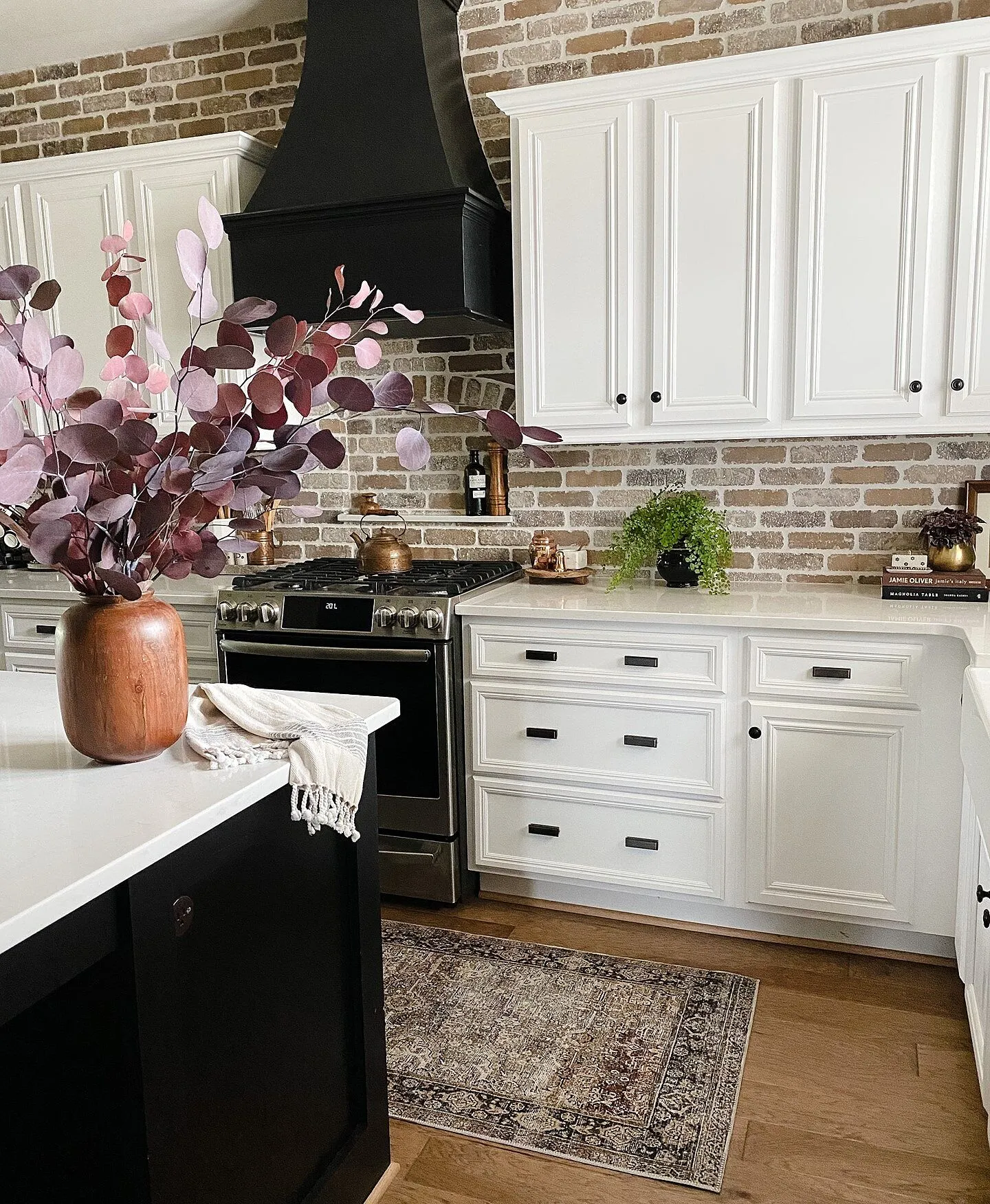
What is Rustic Kitchen Decor
Rustic kitchen decor embraces the warmth and simplicity of natural materials, vintage accents, and a lived-in feel. It’s a style that celebrates imperfections, emphasizing comfort and a connection to nature. Think of it as a blend of farmhouse charm, vintage elegance, and a touch of industrial design. It’s about creating a space that feels welcoming, comfortable, and full of character. This design philosophy often involves a muted color palette, the use of raw materials, and handmade or antique elements. The goal is to create a kitchen that feels less like a sterile workspace and more like a cozy, inviting hub for family and friends. This style often draws inspiration from rural living, focusing on a sense of history and timelessness, making the kitchen a place to gather, cook, and create lasting memories.
Embracing Natural Materials
One of the cornerstones of rustic kitchen decor is the incorporation of natural materials. These materials bring texture, warmth, and a sense of authenticity to the space. Choosing materials that have natural imperfections adds to the charm, creating a space that feels unique and lived-in. These elements not only enhance the aesthetic appeal but also contribute to the kitchen’s overall sustainability. The use of raw, unfinished, or reclaimed materials also adds a layer of environmental consciousness to the design. By incorporating these materials, you’re not just decorating; you’re also creating a space that is both beautiful and responsible.
Wood and Timber

Wood and timber are essential components of rustic kitchen design. Exposed wooden beams, reclaimed wood for countertops or shelves, and wooden cabinetry are all common features. The type of wood you choose can significantly influence the overall feel of the kitchen. For instance, knotty pine can create a warm, cabin-like atmosphere, while reclaimed wood offers a unique character with its history and imperfections. The wood can be left in its natural state, stained to enhance its grain, or painted to create contrast. The choice depends on your personal preference and the specific aesthetic you are aiming for. Incorporating wooden elements not only adds to the visual appeal but also brings a sense of warmth and natural beauty to the kitchen.
Stone and Brick
Stone and brick add a sense of permanence and timelessness to a rustic kitchen. Stone backsplashes, brick accent walls, or even a stone floor can transform the space. The textures and variations in these materials add visual interest and depth. Natural stone, such as granite or slate, is often used for countertops, while brick can be used to create a feature wall or even a built-in fireplace. The use of stone and brick evokes a sense of history and durability, connecting the kitchen to the roots of traditional design. These materials also bring a sense of weight and grounding to the space, making the kitchen feel more substantial and connected to the earth. Choosing the right stone or brick can add a layer of sophistication and elegance to the rustic aesthetic, enhancing the overall appeal of the kitchen.
Color Palette for a Rustic Kitchen
The color palette in a rustic kitchen is typically muted and earthy, creating a sense of warmth and tranquility. Neutral tones and natural colors are essential elements, providing a backdrop that allows the natural materials and textures to shine. This approach to color creates a harmonious and inviting atmosphere, making the kitchen feel like a welcoming space. This palette often includes warm whites, soft grays, and a range of earthy tones. This creates a cohesive and balanced design, ensuring that the kitchen feels both stylish and comfortable. By using a carefully selected color scheme, you can create a kitchen that is both visually appealing and reflective of the rustic aesthetic.
Earthy Tones

Earthy tones are fundamental to the rustic kitchen aesthetic. Colors like terracotta, sage green, and warm browns evoke the outdoors and add a sense of grounding. These colors can be incorporated through paint, tiles, or accessories, creating a connection to nature. Earthy tones bring a sense of warmth and coziness to the kitchen, making it feel like a comfortable and inviting space. These colors complement natural materials and add depth to the overall design. The use of earthy tones creates a sense of harmony and balance, ensuring that the kitchen feels both stylish and serene. The subtle variations in these tones add visual interest without overwhelming the space.
Warm Neutrals
Warm neutrals, such as creamy whites, light grays, and soft beiges, form the base of a rustic kitchen color scheme. These colors provide a versatile backdrop that allows other elements to stand out. They create a sense of spaciousness and brightness, making the kitchen feel open and inviting. Warm neutrals also complement natural materials and textures, enhancing the overall rustic aesthetic. By using warm neutrals as a foundation, you can create a kitchen that is both stylish and timeless. These colors offer flexibility in terms of accessorizing, allowing you to add pops of color and texture through decor and textiles. The use of warm neutrals ensures that the kitchen feels both welcoming and comfortable.
Top 5 Rustic Kitchen Decor Ideas
Now that we’ve covered the basics, let’s dive into some specific decor ideas to help you achieve the rustic kitchen look. These elements are designed to bring warmth, character, and functionality to your kitchen, transforming it into a welcoming hub for your home.
Open Shelving

Open shelving is a hallmark of rustic kitchens. It replaces upper cabinets with open shelves, displaying dishware, cookware, and decorative items. This creates an airy feel and adds visual interest. Open shelving also allows you to easily access your frequently used items, making your kitchen more functional. This design element is perfect for showcasing your favorite pieces, such as vintage dishes or antique cookbooks. The use of open shelving adds a touch of personality to your kitchen, reflecting your style and interests. The shelves can be made of reclaimed wood or simple metal brackets, complementing the rustic theme. Open shelving not only enhances the aesthetic appeal but also makes the kitchen feel more spacious and organized.
Farmhouse Sink
A farmhouse sink, also known as an apron-front sink, is a classic addition to a rustic kitchen. Its deep basin and exposed front add charm and functionality. These sinks are typically made of porcelain, cast iron, or even copper, offering durability and a timeless appeal. They are perfect for both washing dishes and preparing food, offering ample space and a comfortable experience. Farmhouse sinks also serve as a focal point in the kitchen, drawing the eye and adding a touch of elegance. The design evokes a sense of nostalgia and tradition, making the kitchen feel warm and inviting. These sinks combine practicality with style, enhancing both the functionality and aesthetic appeal of the kitchen.
Vintage Lighting
Vintage lighting fixtures are essential for creating the right ambiance in a rustic kitchen. Consider using pendant lights, chandeliers, or sconces with a weathered finish or antique design. These fixtures can add a touch of elegance and warmth. Lighting plays a crucial role in setting the mood and highlighting key areas in the kitchen. The use of vintage or antique lighting fixtures adds a unique character to the space, making it feel authentic and full of personality. The choices range from classic Edison bulb pendants to elaborate chandeliers, each offering a distinctive touch. The right lighting can transform the kitchen, creating a welcoming and functional space that reflects the rustic aesthetic.
Wooden Countertops

Wooden countertops add warmth and natural beauty to a rustic kitchen. They bring a sense of authenticity and create a cozy atmosphere. The imperfections and variations in the wood add character and make each countertop unique. Wooden countertops can be paired with a variety of cabinet styles and colors. The natural texture of the wood adds visual interest and enhances the overall aesthetic of the kitchen. Wooden countertops are also a practical choice, as they offer a warm surface for food preparation and can be easily maintained with proper care. The use of wooden countertops creates a sense of connection to nature, making the kitchen a welcoming and inviting space. They bring a touch of elegance and natural beauty to the kitchen.
Exposed Beams
Exposed beams add architectural interest and a touch of rustic charm. Whether they are original to the home or added for aesthetic purposes, they contribute to the overall feel of the kitchen. They create a sense of height and spaciousness. The beams can be left natural, stained, or painted, depending on the desired look. The exposed beams add a sense of history and character, enhancing the rustic aesthetic. This architectural element can create a warm and inviting atmosphere. Adding exposed beams can transform the look and feel of the kitchen, adding both character and a touch of historical charm. They provide a visual break and make the kitchen feel more open and airy.
Accessorizing Your Rustic Kitchen
Accessorizing your rustic kitchen is all about adding personal touches that enhance the overall aesthetic. It’s where you can showcase your personality and create a space that is truly unique. These accessories add warmth, texture, and character, completing the rustic look and making the kitchen feel like a comfortable and welcoming space.
Textiles and Fabrics

Incorporate textiles and fabrics to add warmth and texture. Use linen curtains, woven placemats, and cozy dish towels. These soft elements add a layer of comfort to the space. Choosing natural fabrics such as linen or cotton enhances the rustic theme. Textiles and fabrics can also be used to introduce pops of color and pattern. Consider adding a patterned rug or a set of cushions to your chairs. The choice of textiles and fabrics can significantly influence the overall ambiance. Textiles and fabrics add warmth and visual interest to the space, making the kitchen feel welcoming and comfortable.
Decor and Kitchenware
Select decor and kitchenware that complements the rustic aesthetic. Display vintage cookware, antique cutting boards, and mason jars. Consider adding wooden signs, and woven baskets. Choose items that reflect your personal style and add character to the space. Decorative items are key in adding a touch of personalization to the kitchen. Vintage items add character and historical charm. Displaying these items creates a sense of authenticity and brings a lived-in feel. Decor and kitchenware are key to making the kitchen feel personal, enhancing its overall appeal and making it a truly inviting space.
Maintaining Your Rustic Kitchen
Maintaining a rustic kitchen involves caring for the natural materials and preserving the overall aesthetic. Regular cleaning and careful upkeep will ensure that your kitchen remains beautiful and functional for years to come. This also helps to maintain the character and charm of your kitchen.
Cleaning Natural Materials

Clean wood and stone surfaces with appropriate products to protect them. Avoid harsh chemicals. For wooden countertops, use a food-safe oil to maintain their appearance and protect them from moisture. Wipe up spills immediately to prevent stains. Clean stone surfaces regularly, following the manufacturer’s instructions. Proper care and cleaning will preserve the beauty and longevity of the natural materials. Careful cleaning ensures that the kitchen retains its rustic charm and remains a welcoming space for cooking and gathering.
Seasonal Decor Changes
Adapt the decor seasonally to keep the kitchen feeling fresh. Add fall-themed accents, such as pumpkins and gourds, in autumn. Use greenery and festive decorations during the holidays. Incorporating seasonal elements can add a touch of freshness and make the kitchen feel inviting year-round. Seasonal decor also allows you to express your creativity and add a personal touch. By changing the decor with the seasons, you can create a dynamic and welcoming space.
In conclusion, rustic kitchen decor is about embracing natural materials, creating a warm and inviting atmosphere, and infusing your space with personality. By incorporating the ideas and tips outlined in this guide, you can transform your kitchen into a charming and functional hub that reflects your unique style. Embrace the imperfections and create a space that feels both timeless and welcoming.