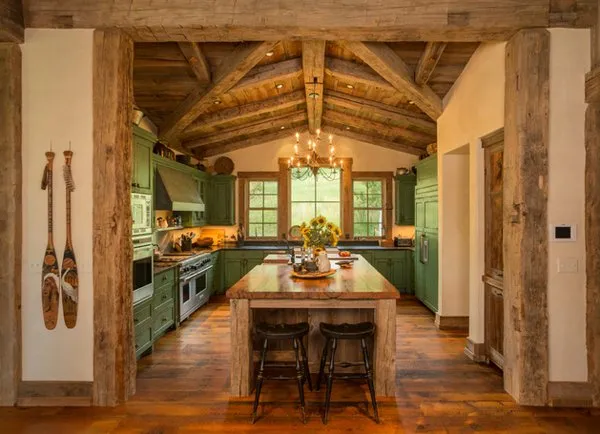
Embracing Minimalist Western Kitchen Decor
Minimalist Western kitchen decor is a harmonious blend of two seemingly contrasting styles. It marries the clean, uncluttered aesthetic of minimalism with the warmth and rugged charm of Western design. The goal is to create a kitchen space that feels spacious, inviting, and reflective of the natural beauty of the American West, while still maintaining a streamlined, efficient, and easy-to-maintain environment. This guide will walk you through the essential steps to achieve this balance, helping you create a kitchen that is both stylish and functional, a true reflection of your personal taste. The beauty of this approach is its versatility; it can be adapted to any kitchen size or layout, offering a timeless appeal that transcends fleeting trends.
Understanding Western Design Elements
Before diving into the minimalist aspect, it’s important to understand the core elements of Western design. This style often incorporates natural materials such as wood, stone, and leather. Think of exposed beams, reclaimed wood accents, and stone countertops. Earthy color palettes are fundamental, drawing inspiration from the desert landscape, with hues of browns, tans, creams, and subtle greens. Wrought iron details, such as cabinet hardware or light fixtures, add a touch of rustic elegance. The key is to embrace the rugged, natural beauty of the West, avoiding anything overly polished or artificial. The goal is to create a space that feels grounded, authentic, and connected to the environment. To achieve a balance, carefully consider the type of wood, the texture of stone, and the details of wrought iron you want to incorporate.
Incorporating Rustic Textures

Texture is a key element in Western design, and it plays a crucial role in a minimalist setting. Incorporate textures through the use of natural materials. Consider a reclaimed wood island or a backsplash made of rough-hewn stone. These elements add depth and visual interest without cluttering the space. Woven baskets can serve as storage solutions and add a touch of warmth. A leather bench or bar stools can further enhance the rustic feel. The key is to balance these textures with clean lines and open spaces to maintain a minimalist aesthetic. Avoid excessive ornamentation; instead, focus on the quality and natural beauty of the materials. Think about the tactile experience—how the materials feel—as you design your kitchen.
Choosing a Neutral Color Palette
A neutral color palette is the cornerstone of minimalist design. For a Western kitchen, embrace earthy tones. Think of shades of cream, beige, taupe, and warm gray as base colors. These provide a calming backdrop that allows the natural textures and materials to shine. Use these neutral tones on walls, cabinets, and countertops to create a cohesive and spacious feel. Avoid using too many contrasting colors. Instead, vary the shades of your chosen palette to add visual interest. For example, you might use a lighter shade of beige for the walls, a slightly darker shade for the cabinets, and a stone-colored countertop. This creates a sense of harmony and allows the eye to move easily through the space.
Adding Pops of Color and Personality
While a neutral palette is essential, strategically placed pops of color can inject personality and warmth into your kitchen. Consider incorporating touches of color through accessories, such as ceramic dishes, textiles, or artwork. A vibrant rug with a Western-inspired pattern or a collection of colorful pottery can add visual interest without overwhelming the space. Use the colors sparingly to create focal points. Avoid introducing too many colors at once, which can disrupt the minimalist aesthetic. Choose colors that complement the earthy tones of your base palette. Think about rust, turquoise, or deep red, all of which are evocative of the Western landscape. A well-chosen artwork featuring a Western theme will enhance the decor.
Selecting Minimalist Furniture

When selecting furniture, opt for pieces with clean lines and simple designs. Avoid ornate or overly detailed furniture that can clutter the space. Choose sturdy, functional pieces that complement the Western theme. Consider a farmhouse-style table with a wood finish or a set of minimalist bar stools with leather seats. Ensure that the furniture is proportional to the size of your kitchen. Avoid overcrowding the space, as this can detract from the minimalist aesthetic. Built-in storage solutions, such as cabinets and shelves, are ideal for maximizing space and maintaining a streamlined look. Prioritize quality over quantity and choose pieces that will stand the test of time both in terms of design and durability.
Choosing Functional Kitchen Appliances
Appliances should be chosen for their functionality and their aesthetic contribution to the overall design. Stainless steel appliances often blend well with a minimalist aesthetic and can complement a variety of Western design elements. Built-in appliances can further streamline the space and create a cohesive look. Avoid appliances that are overly flashy or ornate. Consider the size and energy efficiency of the appliances, and choose models that meet your specific needs. The goal is to create a kitchen that is both practical and visually appealing. Appliances should be easy to use and maintain, and their design should be in line with the overall minimalist Western theme. Pay attention to details such as handles and finishes to ensure that the appliances fit in seamlessly.
Optimizing Kitchen Storage
Effective storage is crucial in a minimalist kitchen. Maximize your storage space with well-designed cabinets, drawers, and shelves. Built-in solutions are ideal for maintaining a clean and uncluttered look. Utilize vertical space by installing tall cabinets and shelves. Consider open shelving for displaying a few carefully chosen items. Keep countertops clear by storing appliances and utensils out of sight when not in use. Use dividers and organizers to keep drawers and cabinets tidy. A well-organized kitchen not only looks better but also makes cooking and cleaning easier. Regularly declutter your kitchen to ensure that you only keep items you use and love. Minimalist kitchen storage is about function and also aesthetics, contributing to the uncluttered look.
Decluttering and Simplifying

Decluttering is a continuous process in a minimalist kitchen. Regularly evaluate the items in your kitchen and get rid of anything you don’t use, need, or love. This includes excess dishes, appliances, and utensils. Keep only essential items and store them neatly. Adopt the principle of ‘a place for everything and everything in its place.’ This will help maintain a sense of order and prevent clutter from accumulating. Regularly wipe down surfaces and remove any unnecessary items from countertops. Aim for a kitchen that feels spacious and inviting, not crowded and chaotic. The goal is to create a kitchen that is a pleasure to be in, easy to clean, and conducive to cooking and enjoying meals.
Accessorizing with Purpose
Accessories play a crucial role in adding personality to your minimalist Western kitchen. Choose accessories with purpose, such as a collection of handcrafted pottery, a rustic wooden cutting board, or a few carefully chosen cookbooks. Avoid displaying too many items. Instead, focus on quality over quantity, choosing pieces that are both functional and visually appealing. Woven baskets can serve as storage solutions and add texture. A simple, Western-inspired piece of art can add a touch of personality. Avoid cluttering your countertops with unnecessary items. Display only a few key pieces that reflect your personal style and enhance the overall aesthetic of the space.
Incorporating Natural Materials
Embrace natural materials to create a warm and inviting atmosphere. Wood, stone, and leather are essential elements of a Western kitchen. Use reclaimed wood for a rustic touch. Stone countertops and backsplashes add texture and visual interest. Leather accents, such as bar stools or cabinet pulls, add a touch of elegance. Focus on the quality and natural beauty of the materials. Avoid using synthetic materials that can detract from the authenticity of the design. The combination of natural materials and clean lines is the key to a successful minimalist Western kitchen. These materials add depth, warmth, and a connection to the natural world.
Maximizing Natural Light

Maximize natural light to enhance the feeling of space and openness. Keep windows clear of obstructions. Use sheer curtains or blinds to filter the light while maintaining privacy. A well-lit kitchen feels more spacious and inviting. Consider adding a skylight or a large window to bring in more natural light. Natural light enhances the beauty of natural materials and creates a warm, welcoming atmosphere. If natural light is limited, supplement with warm-toned artificial lighting. Avoid harsh, cold light that can detract from the overall aesthetic. The goal is to create a kitchen that feels bright, airy, and connected to the outdoors.
Maintaining Your Minimalist Western Kitchen
Maintaining your minimalist Western kitchen involves a few key practices. Regular decluttering is essential to prevent clutter from accumulating. Wipe down surfaces regularly to keep them clean and tidy. Store items neatly and ensure that everything has a designated place. Clean your kitchen appliances regularly to keep them in good working order. The goal is to create a kitchen that is easy to clean and maintain, so you can spend more time enjoying it and less time cleaning. Embrace the minimalist lifestyle and regularly evaluate your possessions to ensure that you only keep what you need and love. Consistency and mindful design are key.