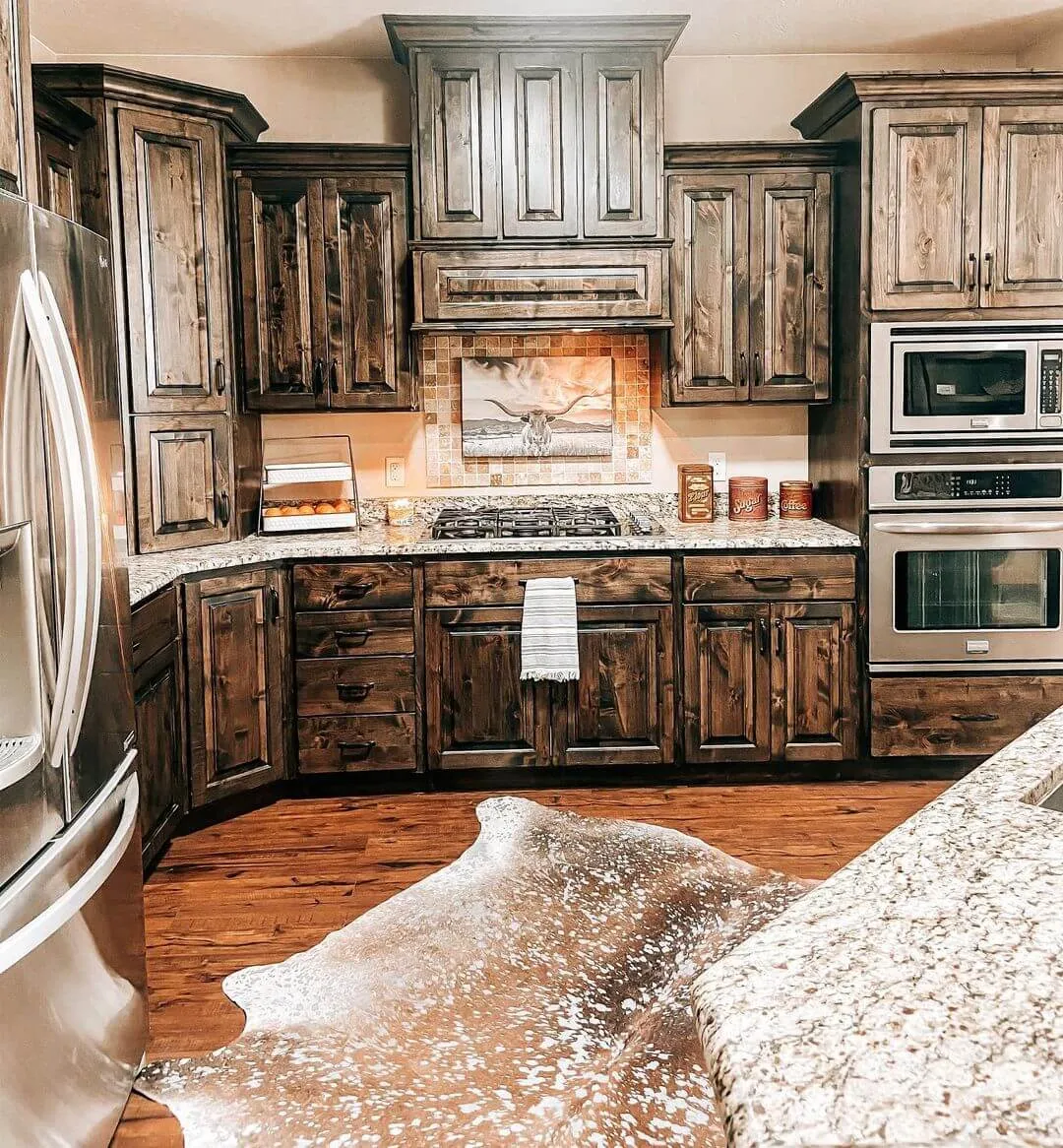
Blending Western and Living Room Design
The allure of western kitchen decor extends beyond the kitchen, beautifully merging with the living room to create a cohesive and inviting space. This style, rooted in the rugged charm of the American West, brings a sense of warmth, comfort, and a touch of adventure to your home. Successfully integrating these two distinct areas requires careful planning and a keen eye for detail, ensuring that the elements flow seamlessly, creating a unified aesthetic that celebrates the spirit of the West. This isn’t just about decorating; it’s about crafting an experience, a space that tells a story and reflects a lifestyle. From the selection of materials to the arrangement of furniture, every decision contributes to the overall ambiance, making your home a true reflection of your personal style and appreciation for the western aesthetic.
Understanding Western Style
Western style is characterized by its use of natural materials, earthy tones, and a sense of rugged elegance. Think of the vast landscapes of the American West, the ranches, and the authentic craftsmanship that define this aesthetic. Key components include the use of wood, leather, stone, and metal. These elements create a feeling of durability and connection to nature. Moreover, the style often incorporates iconic motifs such as horses, cattle, and Native American influences, bringing a rich cultural layer to the design. The color palette typically revolves around warm and inviting hues – think of the shades of a desert sunset. This style is more than just a trend; it’s a celebration of heritage, comfort, and a timeless appreciation for the outdoors. The core of western style is to bring a sense of grounding, inviting people to relax and enjoy the beauty of simplicity and the beauty of the natural world.
Rustic Elements

Rustic elements are the cornerstone of western design. They inject warmth, authenticity, and a sense of history into your space. These elements often include reclaimed wood for flooring, furniture, and wall paneling, which immediately sets the tone. Roughly hewn or distressed wood adds character and a connection to the land. Stone accents, such as a fireplace or a kitchen backsplash, further enhance the rugged aesthetic, bringing in the texture and solidity of natural materials. Metal accents, like wrought iron details on furniture or decorative elements, add an industrial touch, a nod to the practical needs of the past. Incorporating these rustic details isn’t merely about decoration; it’s about telling a story, about celebrating the imperfections and unique qualities that make each piece special. These elements create a space that is both visually appealing and comfortable, an authentic and inviting atmosphere.
Choosing the Right Color Palette for your Western kitchen decor
Color plays a crucial role in establishing the mood and feel of your space. For a successful western-inspired design, the color palette should be rooted in the earth. This approach enhances the connection to the natural world and creates a warm, inviting atmosphere. The selection of colors sets the stage for a cohesive and visually appealing design. A well-chosen palette can create a sense of harmony and balance, tying together various elements of the kitchen and living room.
Earthy Tones
Earthy tones are the foundation of a classic western palette. These include shades of brown, from light tan to rich chocolate, inspired by the natural colors of wood, leather, and soil. Terracotta, a warm reddish-brown, adds a touch of desert influence, evoking the landscape of the Southwest. Olive green and other muted greens bring in the colors of nature. These earthy hues serve as a grounding element, providing a sense of stability and tranquility. They also work well as a base for bolder accent colors, providing versatility in your design.
Warm Neutrals

Warm neutrals are essential for creating a welcoming and comfortable atmosphere. Colors like cream, beige, and off-white provide a backdrop that reflects light, making spaces feel more open and airy. These neutral shades also provide a perfect canvas for other design elements. Use them as wall colors, or as the base for furniture. They complement the earthy tones beautifully, creating a sense of balance and cohesion. Warm neutrals offer the flexibility to incorporate bolder accent colors. They work as a unifying element, tying together the kitchen and living room to create a harmonious living space.
Incorporating Textures in your Living Room
Texture is a vital element in western design, adding depth, interest, and a tactile element that enhances the overall aesthetic. Varying textures prevent the space from feeling flat and create a rich, layered appearance that invites interaction. The right combination of textures can transform a room, making it more visually engaging and comfortable. Integrating texture into your living room involves thoughtfully selecting materials and elements that add depth and character to the space.
Wood Textures
Wood is a quintessential element in western decor, offering a sense of warmth and natural beauty. Utilizing various wood textures, from smooth finishes to rough-hewn surfaces, provides visual interest and character. Consider incorporating wood in flooring, wall paneling, and furniture. The type of wood you choose significantly impacts the feel of the room. Reclaimed wood, for example, brings a sense of history, while lighter woods can create a more contemporary feel. Wood texture also influences the overall ambiance, establishing a grounded, inviting, and aesthetically rich environment. A well-chosen wood element can dramatically transform a living space.
Leather Accents

Leather is another iconic texture in western decor, adding a touch of luxury and comfort. Leather furniture, such as sofas, armchairs, and ottomans, brings durability, character, and a timeless appeal to any living space. The natural variations in leather, including its grain and color, add visual interest and a sense of authenticity. Consider incorporating leather accents in pillows, rugs, or decorative items to enhance the western aesthetic. Leather’s durability also makes it practical for high-traffic areas, making it a smart and stylish choice for a living room.
Textile Choices
Textiles add softness, pattern, and warmth to your living room and are critical to the overall look and feel. Choose fabrics that complement the western aesthetic, such as woven cotton, linen, and wool. These materials bring a sense of comfort and texture. Incorporate these fabrics through throw pillows, blankets, curtains, and rugs. Consider patterns like stripes, checks, or tribal designs to add visual interest. Rugs are particularly effective in grounding the space, defining areas, and adding a layer of comfort. The right textiles can soften the hard lines and create a cohesive and comfortable living room.
Adding Western Decor Elements to the Living Room
Incorporating specific western decor elements will infuse the spirit of the West into your living room and kitchen space. These elements are not just decorative; they are the defining features that bring the theme to life. When thoughtfully integrated, these items create a cohesive and immersive experience. Careful selection and placement of these elements are essential for achieving an authentic and inviting atmosphere.
Cowhide Rugs

A cowhide rug is an undeniable symbol of western style. These rugs bring a sense of luxury and rustic charm. They provide texture, pattern, and warmth, making them an ideal choice for any living room. Cowhide rugs come in various sizes and patterns, making them versatile for different spaces. Place a cowhide rug in front of a fireplace, or define a seating area to add a touch of western authenticity. The natural variations of the hide ensure that each rug is unique, adding a special touch to the room. Properly integrating a cowhide rug anchors the space, tying all the elements together.
Western Artwork
Artwork is essential for capturing the essence of western style. Paintings, photographs, and sculptures depicting the American West will enhance your decor and tell a story. Look for artwork featuring landscapes, wildlife, cowboys, and Native American themes. Consider incorporating items like vintage posters and rustic metal signs. Choose artwork that complements the color palette and overall theme of your space. Gallery walls featuring a mix of artwork can add depth and personality. Western artwork will serve as focal points, starting conversations and enhancing the ambiance of the room.
The Importance of Lighting in Your Kitchen
Lighting plays a vital role in setting the mood and functionality of your living room. The type and placement of lighting will significantly impact the ambiance and visual appeal. Effective lighting enhances the design elements and makes the space more welcoming and practical. Proper lighting complements the color palette, highlights textures, and adds depth. With the right lighting, you can dramatically improve the functionality and aesthetics of your living room and kitchen.
Ambient Lighting

Ambient lighting sets the foundation of your lighting scheme, creating a warm and inviting atmosphere. This type of lighting provides overall illumination in your living room and kitchen. To achieve this, incorporate sources like recessed lighting, chandeliers, and pendant lights. Choose fixtures that complement the western style, such as those made from wrought iron, wood, or rustic metals. Dimmers offer flexibility in controlling the intensity of the light. This ensures that you can adjust the mood to suit the time of day and your activities. Strategically positioned ambient lighting will establish a warm and inviting living space.
Task Lighting
Task lighting is essential for specific activities, providing focused illumination for areas like reading nooks, kitchen counters, or workspaces. Use table lamps, floor lamps, and under-cabinet lighting to ensure adequate illumination. The fixtures chosen should align with the western theme. Consider using lamps with leather bases, wooden shades, or metal accents. Ensure that task lighting is strategically placed for comfort and functionality. Proper task lighting enhances productivity and provides a comfortable and functional environment.
How to Merge Kitchen and Living Room
Integrating the kitchen and living room into a unified space requires thoughtful planning and a cohesive design approach. With the right strategies, you can establish a harmonious environment where both areas blend beautifully. The seamless integration of these two spaces can enhance the overall flow of your home. This approach creates an expansive, inviting, and functional living area. Merging the kitchen and living room in a way that aligns with the western aesthetic can elevate the overall appeal of your home.
Open Floor Plan Considerations

An open floor plan is ideal for creating a seamless flow between the kitchen and living room. The absence of walls allows for easy movement and interaction between the spaces. To define different zones within the open layout, consider using furniture. This can be a large sofa to delineate the living room, or a kitchen island to separate the kitchen. The overall design theme should be consistent throughout both spaces, using similar materials, colors, and textures. Open floor plans promote a sense of spaciousness and encourage social interaction, making them ideal for western kitchen decor.
Creating Zones
Even in an open floor plan, creating distinct zones helps define the functionality of the kitchen and living room. Use area rugs to delineate the living room and define the seating areas. The kitchen can be defined by the use of a kitchen island, or a breakfast bar. The strategic placement of furniture and accessories can help define these different zones. Maintaining a consistent design theme will provide a visual flow. This approach enhances the functionality and aesthetic appeal of your living space.