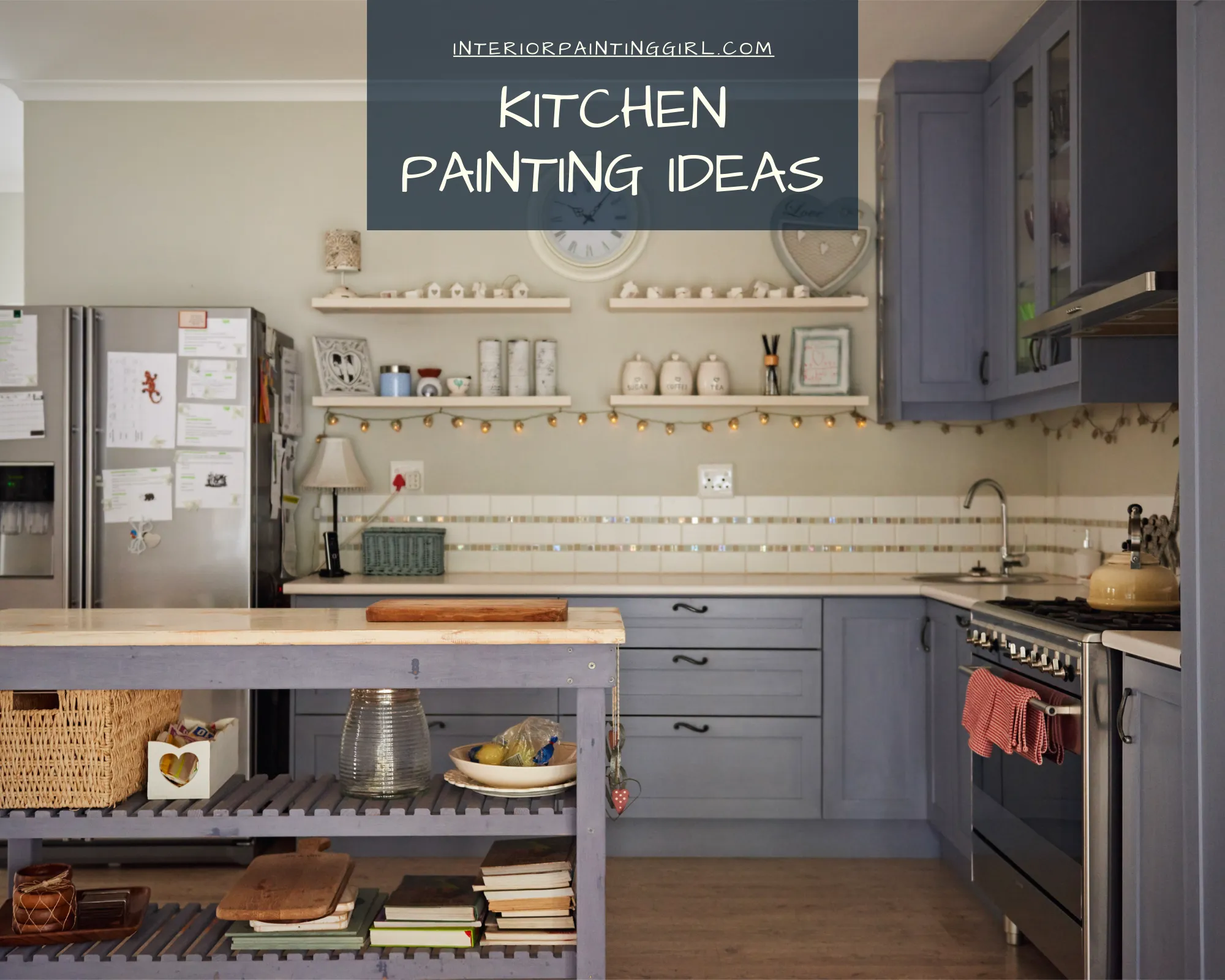
Choosing the Right Paint for Kitchen Decor
Transforming your kitchen through paint is a fantastic way to refresh your space. The right paint can dramatically alter the atmosphere, making it feel brighter, more spacious, or more inviting. Before you even pick up a brush, understanding the different paint types and their properties is crucial. This ensures not only a beautiful finish but also one that is durable and long-lasting, especially given the high-traffic, moisture-prone environment that kitchens often are. Considering factors like washability, stain resistance, and the overall look you are trying to achieve will help you make an informed decision, ultimately leading to a kitchen that you love and that functions well for your lifestyle.
Paint Types for Kitchens
When selecting paint for your kitchen, the type of paint plays a vital role in its durability and aesthetic appeal. Kitchens are subject to grease, spills, humidity, and frequent cleaning. Therefore, you’ll want a paint that is washable, moisture-resistant, and can withstand the daily wear and tear. Several paint types excel in these areas, each with its own advantages and disadvantages. The choice often depends on the specific needs of your kitchen, the surface you are painting, and your personal preferences.
Acrylic Paints

Acrylic paints are a popular choice for kitchens because they are water-based, which means they have low VOCs (Volatile Organic Compounds), making them environmentally friendly and less smelly during application. They are also flexible, which prevents cracking, and offer excellent adhesion to various surfaces. Moreover, acrylic paints are typically easy to clean with soap and water, which is a significant advantage in a kitchen setting. They come in a variety of finishes, from matte to high-gloss, offering versatility in design. However, while they are durable, they may not be as resistant to grease and stains as some oil-based paints.
Oil-Based Paints
Oil-based paints are known for their superior durability and resistance to stains, grease, and moisture. They create a hard, durable finish that is ideal for high-traffic areas like kitchens. Oil-based paints also tend to level out well, resulting in a smooth finish that hides imperfections. However, oil-based paints have some drawbacks. They contain high levels of VOCs, which can be harmful, and they require mineral spirits for cleaning, which adds to the mess and the environmental impact. Moreover, they take longer to dry and can yellow over time. Despite these downsides, oil-based paints remain a good choice for areas where extreme durability is a must, such as cabinet doors and trim.
Latex Paints
Latex paints, also water-based, are often used interchangeably with acrylic paints, although there are some differences. Latex paints are generally easier to apply, clean, and dry faster than oil-based paints. They also have low VOCs and are less likely to yellow over time. Modern latex paints are very durable and washable, making them suitable for kitchens. However, the term ’latex’ can be misleading, as these paints are not actually made of latex but are acrylic or vinyl-acrylic emulsions. Be sure to check the label for specific properties and suitability for your kitchen’s needs, focusing on washability and stain resistance.
Picking the Perfect Kitchen Colors

Choosing the right color for your kitchen is a crucial step in the decorating process. Colors have a powerful impact on the mood and feel of a space. Certain colors can make a kitchen appear larger, while others can create a warm and inviting atmosphere. Your choice should reflect your personal style, complement the existing features of your kitchen, and take into account factors such as lighting and the overall aesthetic you want to achieve. Considering the color psychology can also be helpful in selecting a color palette that aligns with the purpose and use of your kitchen.
Popular Kitchen Color Schemes
Several color schemes consistently prove popular in kitchens due to their versatility and ability to create various moods. Consider the classic combination of white and gray, which offers a clean, modern, and timeless look. Another favorite is the use of warm neutrals like beige and cream, which create a cozy and inviting atmosphere. For those who prefer a bolder approach, incorporating accent colors such as navy blue or sage green can add personality and style. Remember to consider your kitchen’s size, lighting, and existing elements when selecting your color scheme to ensure a harmonious and visually appealing space.
Neutral Kitchen Colors
Neutral colors such as white, gray, beige, and cream are excellent choices for kitchens. They provide a versatile backdrop that can be easily adapted to different design styles and decor changes. White kitchens, in particular, are renowned for their ability to make spaces feel larger, brighter, and cleaner. Grays offer a sophisticated and contemporary feel, while beige and cream add warmth and comfort. Neutrals also serve as a canvas for incorporating pops of color through accessories, artwork, and textiles. They are a safe choice if you are unsure of committing to a bold color, and they provide endless possibilities for personalization.
Bold and Vibrant Kitchen Colors

If you want to infuse personality into your kitchen, bold and vibrant colors are an excellent choice. Colors like navy blue, emerald green, or even a sunny yellow can make a statement and create a focal point in your kitchen. When using bold colors, consider using them as accent walls or on kitchen islands to prevent overwhelming the space. Ensure the bold color complements the rest of your decor, and think about how the color interacts with your kitchen’s lighting. A well-chosen vibrant color can completely transform your kitchen, making it a lively and engaging space that reflects your unique style.
Consider the Lighting in Your Kitchen
Lighting plays a critical role in how colors appear in your kitchen. The type and amount of light can significantly alter the perception of your chosen paint colors. Understanding how lighting affects your paint choices will help you to ensure your kitchen looks its best, both during the day and at night. Different types of lighting can highlight or diminish certain aspects of a color, so it’s important to take this into account when planning your painting project.
Natural Light
Natural light is the ideal lighting condition. It provides the most accurate representation of colors. In kitchens with ample natural light, you have more flexibility in your paint choices. Colors will appear brighter and more vibrant. However, keep in mind that the direction of the sunlight can affect how colors appear. South-facing kitchens tend to receive the most direct sunlight, which can make colors appear warmer, while north-facing kitchens often have cooler, softer light, which can make colors appear more muted.
Artificial Light

Artificial light can significantly affect the appearance of paint colors. Different types of light bulbs emit different colors, which can influence how you perceive your paint. For instance, incandescent bulbs tend to emit a warm, yellowish light, which can make colors appear warmer and more saturated. LED and fluorescent bulbs come in various color temperatures. Warm white LEDs provide a similar effect to incandescent, while cool white LEDs can make colors appear more crisp and true. Before committing to a color, test it under both natural and artificial light to ensure you are happy with the result.
Preparing Your Kitchen for Painting
Proper preparation is key to achieving a professional-looking paint job. It involves cleaning the walls, repairing any imperfections, and protecting surfaces that you do not want to be painted. Rushing through these steps can result in a less-than-perfect finish, so taking your time during the preparation process is essential. Thorough preparation ensures that the paint adheres correctly, the finish is smooth, and the overall appearance is polished.
Cleaning the Kitchen Walls
Before painting, cleaning the kitchen walls is crucial to remove dirt, grease, and grime that can prevent the paint from adhering properly. Use a mild detergent and warm water to wash the walls. Make sure to rinse the walls thoroughly after washing to remove any soap residue. Allow the walls to dry completely before proceeding. For heavily soiled areas, you may need to use a degreasing cleaner, but always test it in an inconspicuous area first to ensure it does not damage the paint or the wall surface.
Repairing Wall Imperfections

Inspect your kitchen walls for any imperfections, such as cracks, holes, or dents. These imperfections should be repaired before painting to achieve a smooth and even finish. Fill small holes and cracks with spackle or patching compound, allow it to dry, and then sand the area smooth. For more significant damage, you may need to consult a professional. After repairing the imperfections, it’s essential to prime the patched areas to ensure the paint adheres properly and the finish is consistent.
Protecting Surfaces and Fixtures
Protecting surfaces and fixtures from paint is essential to maintain a clean and professional-looking kitchen. Cover countertops, appliances, cabinets, and flooring with drop cloths or plastic sheeting. Use painter’s tape to protect trim, windows, and any other areas you do not want to paint. Remove outlet and switch covers or tape around them carefully. Taking these precautions will prevent accidental paint splatters and make your painting project much cleaner and easier.
The Painting Process
The actual painting process involves several steps, from applying primer to applying the final coat of paint. Each step is important for achieving a smooth, even, and durable finish. Taking your time and following these steps will ensure that your kitchen painting project yields beautiful results. Proper technique, the right tools, and patience are all key to a successful paint job.
Applying Primer

Applying primer is a critical step in the painting process, especially if you are painting over a previously painted surface, a darker color, or a porous surface. Primer provides a uniform base for the paint, improving adhesion and coverage. It also helps to seal the surface, preventing the paint from being absorbed unevenly. Use a high-quality primer that is suitable for the surface you are painting. Apply the primer evenly, allowing it to dry completely before applying the paint. This step will help to ensure that the final paint job is long-lasting and looks professional.
Applying the Paint
Once the primer has dried, you can begin applying the paint. Use a roller for large, flat surfaces and a brush for edges and trim. Apply the paint evenly, working in sections. Avoid applying too much paint at once, which can lead to drips and runs. Start with the ceiling, then the walls, and finally the trim. Work in good lighting conditions to ensure even coverage. Maintain a ‘wet edge’ while painting to avoid lap marks. Proper technique and patience are key to a smooth, streak-free finish.
How Many Coats Do You Need
The number of coats you need depends on the type of paint, the color, and the surface you are painting. In most cases, two coats of paint are recommended to achieve full coverage and a consistent finish. However, if you are painting over a dark color with a lighter color, you may need three coats. Allow each coat to dry completely before applying the next coat. Following these recommendations will help ensure a professional and durable paint job that will transform your kitchen space.
Painting Kitchen Cabinets
Painting your kitchen cabinets can significantly refresh the look of your kitchen. It is a cost-effective way to update your space without undergoing a complete remodel. However, it requires careful preparation and execution to achieve a professional finish. This can be a challenging but rewarding DIY project. Consider the steps involved in preparing, painting, and finishing cabinets for the best outcome.
Preparing Cabinets for Painting
The preparation process is similar to that of painting walls. Start by removing the cabinet doors and hardware, labeling them to ensure easy reassembly. Clean the cabinets thoroughly with a degreasing cleaner to remove any grease, grime, and dirt. Lightly sand the cabinet surfaces to remove the existing finish, creating a smooth surface for the new paint to adhere. Fill any holes or imperfections with wood filler, allow it to dry, and sand smooth. Priming is also essential, and it ensures proper adhesion of the paint.
Painting Cabinet Doors and Frames
When painting cabinet doors and frames, apply the paint evenly using a brush or a small foam roller. For a smooth finish, it’s best to use a cabinet-specific paint, designed for durability and washability. Apply the paint in thin, even coats, allowing each coat to dry before applying the next. Depending on the paint and the condition of your cabinets, you might need to apply multiple coats. Once the paint is dry, reassemble the cabinet doors and install the hardware. This should complete the cabinet painting process.
Finishing Touches and Decorating
After completing the painting process, adding finishing touches and decorating your kitchen is the final step in the transformation. These elements add personality and style to your newly painted space. Careful consideration of accessories, artwork, and decor that complement the new color scheme will enhance the overall aesthetic of your kitchen. With the right finishing touches, your kitchen will not only look fresh and new, but also reflect your personal style.
Adding Artwork and Accessories
Artwork and accessories can add personality and charm to your kitchen. Choose artwork that complements your color scheme and reflects your personal style. Consider hanging a gallery wall, displaying a statement piece, or adding smaller pieces throughout the space. Use accessories like decorative bowls, trays, and utensils to add visual interest to countertops and open shelving. Incorporate plants to bring life and freshness to the space. These finishing touches will elevate your kitchen’s design and make it feel more like a home.
Choosing Kitchen Decor That Complements Your Paint
When choosing kitchen decor, consider the color scheme and style of your newly painted kitchen. Select accessories, textiles, and other decorative items that complement your paint colors. For example, if you have a neutral kitchen, you can add pops of color through your accessories. If you have a bold kitchen, you can choose accessories in neutral or complementary colors to balance the space. Make sure your decor reflects your style and creates a cohesive and inviting atmosphere. The right decor will tie the whole room together.