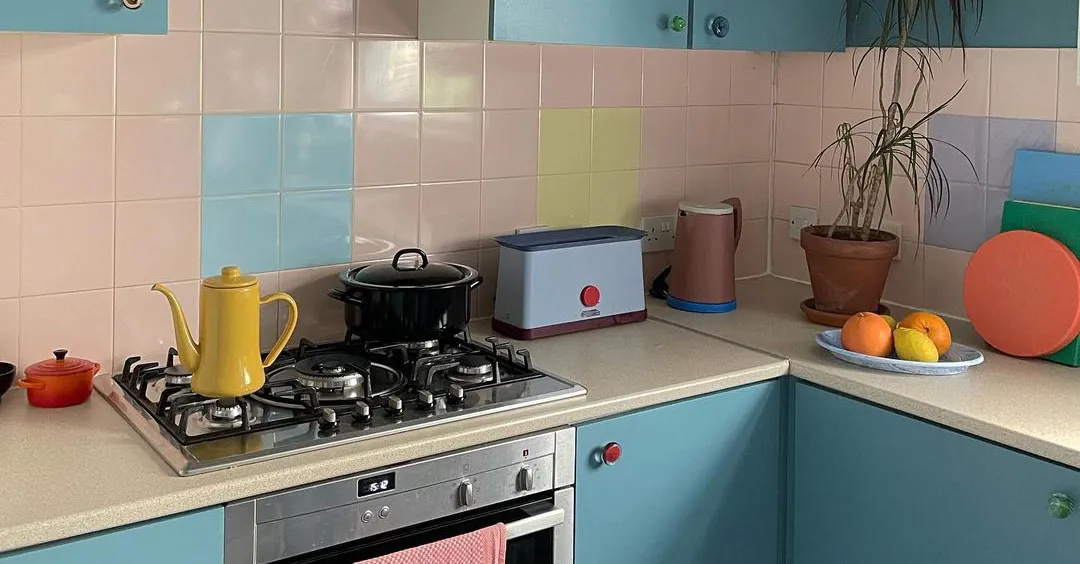
Kitchen Decor Materials Top 7 Choices
Choosing the right materials is crucial for any kitchen decor project. The materials you select not only define the aesthetic of your space but also impact its functionality, durability, and overall atmosphere. From the warmth of wood to the sleekness of metal and the practicality of laminate, the options are vast. This guide explores the top 7 kitchen decor materials, providing insights into their types, advantages, and how they can transform your culinary space.
Wood
Wood remains a timeless and versatile choice for kitchen decor. Its natural warmth and aesthetic appeal make it a favorite for cabinetry, flooring, and countertops. The grain patterns and textures offer a unique character, contributing to a cozy and inviting ambiance. Selecting the right type of wood ensures both beauty and longevity. Consider the impact of light on wooden finishes and choose a finish that best suits your decor style and overall room design. The use of sustainable woods is also something to consider when thinking about the planet.
Types of Wood for Kitchen Decor

Different types of wood offer varying characteristics suitable for different applications. Maple and cherry are popular for cabinetry due to their fine grain and durability, while oak provides a more rustic look. Walnut offers a rich, dark appearance. Bamboo, a sustainable option, is increasingly used for countertops and flooring. The choice often depends on your budget, the desired aesthetic, and the wood’s resistance to moisture and wear.
Advantages of Using Wood
Wood offers several advantages in kitchen design. It is incredibly versatile, adapting to various design styles from traditional to contemporary. Its natural warmth creates a welcoming atmosphere. Wood is also relatively easy to work with, allowing for customization. Moreover, with proper care and maintenance, wood elements can last for decades. It can also be refinished, offering a long lifespan with a renewed look. Finally, wood’s natural insulation properties can help regulate temperature in the kitchen.
Stone
Stone adds a touch of elegance and durability to kitchen decor. The natural variations in color and pattern make each piece unique, adding a sense of luxury and sophistication. Stone is ideal for countertops, backsplashes, and flooring, providing a solid, long-lasting surface that withstands the demands of a busy kitchen. From granite to marble, the selection of stone offers design flexibility to match any kitchen’s overall style. Consider the maintenance requirements and ensure proper sealing to protect it from stains and damage.
Types of Stone for Kitchen Decor

Granite is a popular choice for countertops due to its durability and wide range of colors. Marble offers a classic, luxurious look but requires more maintenance. Quartzite is a harder, more durable alternative to marble, providing a similar aesthetic. Soapstone is another option, known for its soft feel and heat resistance. Slate is suitable for flooring, offering a textured, non-slip surface. The type of stone you choose should consider durability needs and your preferred aesthetics. Consider the specific characteristics of each stone type to ensure it fits your kitchen requirements.
Benefits of Using Stone
Stone offers significant benefits in kitchen design. It is highly durable, able to withstand heat, scratches, and heavy use. Stone surfaces are also relatively easy to clean and maintain, provided they are properly sealed. The natural beauty of stone elevates the kitchen’s aesthetic, adding value to your home. Stone is also a long-term investment, as it can last for many years. It is a natural material and does not contain any harmful chemicals, which also adds value to the overall design and safety of the kitchen.
Metal
Metal brings a modern, industrial aesthetic to kitchen decor. Stainless steel is a staple for appliances due to its durability and resistance to stains. Copper, brass, and iron add warmth and character as accents. Metal elements can be incorporated in various ways, from hardware and lighting fixtures to backsplashes and range hoods. Metal surfaces reflect light, making the kitchen appear brighter and more spacious. Be aware of the maintenance requirements, as some metals can tarnish or require regular polishing.
Types of Metal for Kitchen Decor

Stainless steel is the most common choice for appliances and sinks due to its durability and ease of cleaning. Copper adds warmth and a touch of luxury, often used for sinks, pots, and decorative elements. Brass provides a vintage or glamorous look, found in hardware and fixtures. Iron offers an industrial aesthetic, suitable for accents like shelving and lighting. Aluminum is lightweight and can be used in various applications, like cabinet frames. Each metal offers a unique look and set of properties, so choosing the one that fits your aesthetic is key.
Pros and Cons of Metal
The advantages of metal include its durability, resistance to heat and water, and modern aesthetic. It is also a hygienic choice, especially stainless steel, as it does not harbor bacteria. However, some metals, such as copper and brass, require more maintenance, including regular polishing to prevent tarnishing. Metal can also be expensive. Depending on the type of metal, it might be prone to scratches or dents. Careful consideration should be given to the specific requirements and maintenance demands for your kitchen.
Glass
Glass adds a sleek and sophisticated touch to kitchen decor, providing visual lightness and making the space feel more open. It is used in various applications, including cabinet doors, backsplashes, and countertops. Glass reflects light, which can brighten the kitchen and create an illusion of more space. Tempered glass is a popular choice for safety and durability, making it resistant to heat and breakage. Consider frosted or patterned glass for privacy or decorative interest. Glass can be a great material for adding style and personality to your kitchen design.
Uses of Glass in Kitchen Decor

Glass can be utilized in many ways in a kitchen. Glass cabinet doors can showcase dishware and decor. Backsplashes provide a clean and modern aesthetic, protecting walls from splashes and spills. Glass countertops are sleek and contemporary, adding visual interest. Glass pendant lights and chandeliers provide ambient and task lighting. Glass can also be used in decorative elements such as vases, jars, and artwork, contributing to a cohesive design. Think about how each element works with the other aspects of the kitchen.
Advantages of Glass
Glass offers several advantages in kitchen design. It is versatile, allowing designers to create various looks. Glass is also easy to clean and maintain, making it a practical choice for high-use areas. Its reflective properties help brighten and visually expand the kitchen space. Glass is also a sustainable option, as it is recyclable. Furthermore, glass is hygienic and does not absorb odors or stains. Consider these factors when making your decision about what materials to use in your design.
Ceramics
Ceramics, including tiles and porcelain, are a versatile and durable material for kitchen decor. They are commonly used for flooring, backsplashes, and countertops. Ceramics offer a wide range of colors, patterns, and textures, allowing for creative design options. They are resistant to water, stains, and heat, making them ideal for kitchen environments. Ceramic tiles are also relatively easy to clean and maintain, which contributes to their popularity. From classic to contemporary designs, ceramics can add beauty and functionality to your kitchen.
Different Ceramic Applications

Ceramics are utilized in various ways in the kitchen. Ceramic tiles are a popular choice for flooring due to their durability and resistance to moisture. Backsplashes are often covered with ceramic tiles, which protect the walls and add a decorative element. Ceramic countertops are also available, offering a smooth and heat-resistant surface. Decorative ceramic accents such as bowls, serving dishes, and art pieces can also enhance the kitchen’s aesthetic. Each application offers a unique design choice and functionality.
Benefits of Ceramics
Ceramics have many advantages in kitchen decor. They are durable and resistant to wear and tear, making them ideal for high-traffic areas. Ceramic tiles are water-resistant, making them perfect for kitchens. They are easy to clean and maintain, requiring only regular wiping. Ceramics are available in a variety of styles, colors, and patterns, allowing for design flexibility. They are also a sustainable option, as ceramic tiles are often made from recycled materials. All of these aspects add to their popularity and the different ways you can use them.
Laminate
Laminate is a budget-friendly and practical choice for kitchen decor, used primarily for countertops and cabinetry. It is made by layering materials and applying a printed design, mimicking the appearance of wood, stone, or other materials. Laminate offers a wide range of design options and is relatively easy to install. It is resistant to stains and scratches, making it suitable for kitchens. However, it’s important to consider the quality of the laminate and potential for moisture damage. Proper installation and maintenance are essential to ensure its longevity.
Laminate’s Role in Kitchen Decor

Laminate is a popular choice for countertops and cabinet surfaces. It offers a cost-effective alternative to more expensive materials like stone or solid wood. Laminate allows for a diverse range of design options, mimicking the look of various materials, including wood grain, stone, and solid colors. It is easy to clean and maintain, making it a practical option for busy kitchens. Laminate is also available in different thicknesses, allowing for more design flexibility.
Pros and Cons of Laminate
The advantages of laminate include its affordability, wide range of design options, and resistance to stains and scratches. It is also easy to install and maintain. However, laminate is less durable than solid-surface materials and can be susceptible to damage from heat and moisture. The edges of laminate countertops can also be prone to chipping. It’s essential to consider these factors and ensure proper care and maintenance to prolong the life of laminate surfaces.
Fabric
Fabric can add warmth, texture, and personality to kitchen decor, typically used in window treatments, upholstery, and soft furnishings. The selection of fabric can significantly impact the overall style of the kitchen. From patterned curtains to upholstered seating, fabrics can soften the space and add visual interest. Consider stain-resistant and washable fabrics for practicality. Choose fabrics that complement the color palette and overall design of the kitchen. The right choices can provide comfort, style, and cohesion to your kitchen’s overall design.
Fabric Applications in the Kitchen
Fabrics find many uses in kitchen design. Curtains or blinds can control light and add softness to windows. Upholstered chairs and benches offer comfortable seating options. Fabric can be used for cushions, tablecloths, and placemats, adding color and texture. Decorative aprons, towels, and oven mitts can provide both functionality and design flair. Consider how these fabric elements contribute to the kitchen’s overall aesthetic and function.
Benefits of Using Fabric
Fabrics provide several benefits in kitchen design. They add softness, texture, and visual interest. Fabrics can also provide color and pattern to the kitchen, enhancing the overall design. They can help absorb sound, making the kitchen more comfortable. Fabric can also be used to add functionality, such as curtains or seating. Finally, fabrics contribute to creating a warm and inviting atmosphere in the kitchen, increasing comfort and overall aesthetic appeal.
In conclusion, the selection of kitchen decor materials is a crucial part of designing a functional and aesthetically pleasing kitchen. The top 7 materials discussed – wood, stone, metal, glass, ceramics, laminate, and fabric – each offer unique characteristics and benefits. By carefully considering the types, advantages, and potential drawbacks of each material, you can create a kitchen that reflects your personal style while meeting your practical needs.