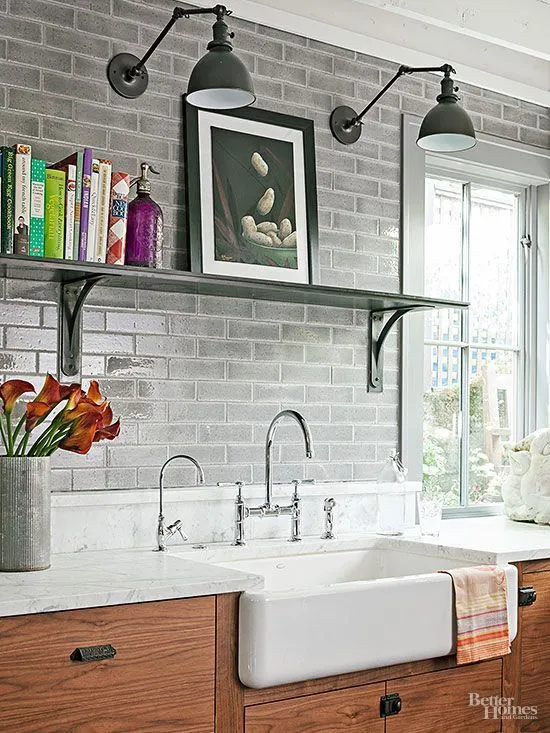
Top 7 Kitchen Decor Ideas to Style Your Space
Transforming your kitchen into a stylish and functional space doesn’t have to be a daunting task. With a few key design elements and a touch of creativity, you can revamp your kitchen to reflect your personal style and make it a more enjoyable place to cook, dine, and entertain. From color palettes to storage solutions, lighting to accessories, this guide will explore seven essential kitchen decor ideas to help you style your space effectively and beautifully. Whether you’re embarking on a complete renovation or simply looking for a few easy upgrades, these tips will inspire you to create the kitchen of your dreams. Let’s dive in and discover how to elevate your kitchen decor!
1. Color Palette Perfection
The color palette you choose for your kitchen sets the tone for the entire space. It can influence the mood, make the kitchen feel larger or cozier, and ultimately reflect your personal style. When selecting colors, consider the overall aesthetic you want to achieve, whether it’s a bright and airy modern look, a warm and inviting farmhouse feel, or something in between. Think about how different colors interact with each other and the existing elements of your kitchen, such as cabinetry, countertops, and flooring. It is crucial to consider the natural and artificial lighting conditions in your kitchen as colors can appear differently depending on the amount and type of light.
Choosing the Right Colors

Selecting the right colors involves considering a variety of factors. Start by determining the mood you wish to create. For a bright and energetic kitchen, consider using lighter colors like whites, creams, and pale yellows, coupled with vibrant accents. For a more relaxed and inviting atmosphere, choose warmer colors such as earth tones, soft blues, or gentle greens. When selecting specific colors, it is beneficial to gather samples and view them under different lighting conditions to ensure you love the result. It is crucial to consider the size of your kitchen; lighter colors will visually expand a small space, while darker colors can make a larger kitchen feel more intimate. Coordinate colors with your existing cabinetry, countertops, and appliances for a cohesive design.
Color Psychology in the Kitchen
Color psychology plays a significant role in the atmosphere of your kitchen. Each color evokes different emotions and can influence your mood. For example, blue is known for its calming effects, making it ideal for a kitchen where you want to feel relaxed. Green represents nature and can create a sense of freshness and vitality. Yellow promotes happiness and can brighten up a kitchen, while red stimulates appetite and energy. White creates a sense of cleanliness and spaciousness, which can be perfect for small kitchens. It is essential to consider these psychological effects when choosing your color palette to ensure your kitchen feels and functions just the way you want it to.
2. Smart Storage Solutions
Smart storage solutions are essential for keeping your kitchen organized, functional, and visually appealing. A well-organized kitchen not only enhances the cooking experience but also makes the space feel more spacious and less cluttered. Implementing efficient storage systems ensures that you maximize every inch of your kitchen, keeping everything within easy reach while maintaining a clean and tidy appearance. From clever cabinet designs to innovative drawer organizers, exploring various storage options can transform your kitchen into a highly efficient and enjoyable space.
Maximize Counter Space

Counter space is a premium in any kitchen, and maximizing it is crucial for both functionality and aesthetics. Consider a variety of techniques to achieve this. Firstly, decluttering your counters by storing small appliances, utensils, and other items in drawers or cabinets when not in use is essential. Install open shelving to keep frequently used items within easy reach. Opt for built-in appliances, such as a microwave or coffee maker, to save counter space. Use vertical storage solutions like wall-mounted spice racks or pot racks to free up counter space. A well-organized counter ensures that you have sufficient workspace while keeping your kitchen visually appealing.
Utilize Vertical Space
Vertical space is often underutilized in the kitchen, but it offers immense potential for storage. Install tall cabinets that reach the ceiling to maximize storage capacity. Use pull-out shelves and drawers in your cabinets to make it easier to access items stored at the back. Employ pantry organizers like tiered shelves or lazy Susans to make the most of your pantry space. Consider open shelving to display frequently used items or attractive dishware. Utilize the space above your cabinets by adding decorative items that complement the overall kitchen design. Effective use of vertical space can significantly increase your kitchen’s storage capabilities.
3. Lighting That Shines
Proper lighting is fundamental to any well-designed kitchen, impacting not only its aesthetics but also its functionality. A well-lit kitchen is essential for safety, as it allows you to see clearly while cooking and preparing food. The right lighting can create a warm, inviting atmosphere and highlight key features of your kitchen design. To achieve optimal lighting, it is important to layer different types of light sources. A mix of ambient, task, and accent lighting can transform your kitchen from a simple cooking space to a beautifully illuminated and functional area. From the overall mood to specific task areas, the right lighting enhances every aspect of your kitchen.
Layering Kitchen Lighting

Layering lighting involves combining different types of light sources to create a balanced and functional illumination scheme. Start with ambient lighting, which provides general illumination throughout the kitchen. This can be achieved using recessed lights, pendant lights, or a central ceiling fixture. Next, incorporate task lighting, focusing on specific areas such as countertops, the stovetop, and the sink. Under-cabinet lighting, pendant lights over an island, and spotlights are excellent options. Finally, add accent lighting to highlight architectural features, artwork, or decorative elements. This can include track lighting, wall sconces, or cabinet lights. Layering these different types of lighting creates a well-lit, visually interesting kitchen.
Types of Kitchen Lighting
Different types of kitchen lighting serve specific purposes. Recessed lighting provides ambient lighting, offering a clean and seamless look. Pendant lights, often installed over an island or breakfast bar, offer both task and decorative lighting. Under-cabinet lights illuminate countertops, making it easier to prepare food. Track lighting is versatile, as you can adjust the direction of the lights to focus on specific areas. Sconces add a touch of elegance and can be used for accent lighting. Consider the color temperature of your light bulbs; warm white lights create a cozy atmosphere, while cool white lights provide brighter illumination, ideal for task areas. Choosing the right combination of lights is essential for both functionality and aesthetics.
4. Backsplash Brilliance
The backsplash is an essential element of kitchen design, serving both functional and aesthetic purposes. Functionally, it protects the wall behind the stove and sink from splashes and spills. Aesthetically, it provides an opportunity to introduce color, pattern, and texture, significantly impacting the overall style of your kitchen. Backsplashes can create a focal point, tie the design elements together, and add visual interest. With numerous materials, styles, and designs available, the backsplash offers a great way to express your personal style and enhance the beauty of your kitchen.
Backsplash Materials

The choice of backsplash material is crucial to both the look and functionality of your kitchen. Popular options include ceramic tile, which is versatile and available in various colors, patterns, and sizes. Glass tile adds a touch of elegance and reflects light, making the kitchen feel brighter. Natural stone tiles like granite, marble, and quartz offer a luxurious look and are durable, though they may require sealing. Stainless steel backsplashes provide a sleek, modern look and are easy to clean. Other materials like wood, mosaic tiles, and even wallpaper can be considered, depending on your desired style and budget. The best material depends on your preferences, lifestyle, and the overall design of your kitchen.
Backsplash Design Considerations
When designing your backsplash, consider the size, shape, and pattern of the tiles. Large-format tiles can create a clean, modern look, while smaller tiles or mosaic patterns add detail and visual interest. Think about how the backsplash will interact with other elements of your kitchen. Ensure the color and style complement your countertops, cabinetry, and flooring. Consider the grout color; a contrasting grout can highlight the tile pattern, while a matching grout creates a seamless look. Pay attention to the installation; precise installation is essential for a polished and professional appearance. Thoughtful design choices will ensure your backsplash enhances the overall aesthetic of your kitchen.
5. Appliance Aesthetics
The appliances in your kitchen significantly impact its overall appearance, as they are major design elements. The style, finish, and integration of your appliances contribute to the kitchen’s aesthetic and functionality. When selecting appliances, you have the opportunity to create a cohesive look that complements your design preferences. Considering the size, placement, and finish options will help you create a kitchen that not only performs efficiently but also looks stylish and inviting. Appliances play an important role in the overall design and functionality of your kitchen.
Stainless Steel vs. Other Finishes

Stainless steel appliances are a classic choice, offering a sleek, modern look that complements most kitchen designs. They are durable and easy to clean, and they provide a neutral backdrop that works well with various color schemes. However, stainless steel can show fingerprints and smudges. Alternatives include black stainless steel, which offers a sophisticated look with reduced fingerprint visibility. White or colored appliances provide a more traditional or eclectic feel, allowing you to incorporate your desired color palette. Consider the overall style of your kitchen, your personal preferences, and the maintenance requirements of each finish when making your choice.
Integrating Appliances
Integrating appliances into your kitchen design involves incorporating them seamlessly into your cabinetry and overall design scheme. Built-in appliances offer a streamlined look, as they are flush with your cabinets, creating a cohesive appearance. Panel-ready appliances allow you to cover the appliance fronts with matching cabinet panels, further blending them into the design. When planning, consider the layout and placement of appliances, ensuring they are ergonomically positioned for ease of use. Think about how the appliances will work together with your countertops, backsplash, and other elements to create a harmonious kitchen design.
6. The Perfect Kitchen Island
A kitchen island can dramatically improve both the functionality and aesthetic appeal of your kitchen. It provides additional countertop space, storage, and seating. The design and integration of your kitchen island can significantly impact the overall flow and style of the kitchen. Whether you want a workspace, a dining area, or a social hub, carefully considering its size, design, and features will help you create a versatile and inviting kitchen island that meets your specific needs.
Island Size and Functionality

The size of your kitchen island should be proportional to the size of your kitchen. Ensure there is adequate space around the island for movement and workflow. Consider the island’s intended functionality. If you plan to use it for food preparation, ensure there is sufficient countertop space. If you plan to include seating, make sure you have enough overhang for comfortable seating. For extra storage, incorporate drawers, cabinets, or open shelving into the island design. It is essential to consider your daily routines and the needs of your family when determining the size and features of your kitchen island.
Island Design Elements
The design of your kitchen island should complement the overall style of your kitchen. Choose materials, finishes, and colors that coordinate with your cabinetry, countertops, and flooring. Consider the shape of your island; a rectangular island is versatile, while a curved island adds visual interest. Include design elements like a waterfall edge countertop for a modern look or decorative panels for a traditional feel. Think about adding a sink, cooktop, or dishwasher to your island for added functionality. Integrating lighting, such as pendant lights or recessed spotlights, enhances both the aesthetics and practicality of your island.
7. Accessorizing with Flair
Accessorizing your kitchen is an excellent way to add personality, style, and a finishing touch to your decor. Accessories are the final details that bring your kitchen design together and make it feel more personalized and inviting. From decorative items to functional pieces, thoughtfully chosen accessories reflect your style and create a cohesive and enjoyable space. Through careful selection and arrangement, accessorizing elevates the overall design and transforms your kitchen into a space that feels uniquely yours.
Choosing Kitchen Accessories
When choosing kitchen accessories, consider the overall style of your kitchen. Select items that complement your existing decor and reflect your personal taste. Think about adding decorative pieces like cookbooks, vases, or artwork. Include functional items like stylish utensils, cutting boards, or a unique salt and pepper set. Choose accessories that add pops of color, texture, and pattern. Ensure your accessories are durable and easy to clean. Choose items that are visually appealing and functional, creating a space that is both beautiful and practical.
Displaying Accessories
How you display your accessories is as important as the items you choose. Arrange your items on open shelves, countertops, or inside glass-front cabinets. Group similar items together to create a cohesive display. Vary the heights and sizes of your accessories to create visual interest. Avoid overcrowding surfaces, leaving some negative space. Change your accessories seasonally or periodically to refresh the look of your kitchen. Through careful consideration and display, you can create a kitchen that is both functional and aesthetically pleasing, reflecting your unique style and enhancing the overall design.