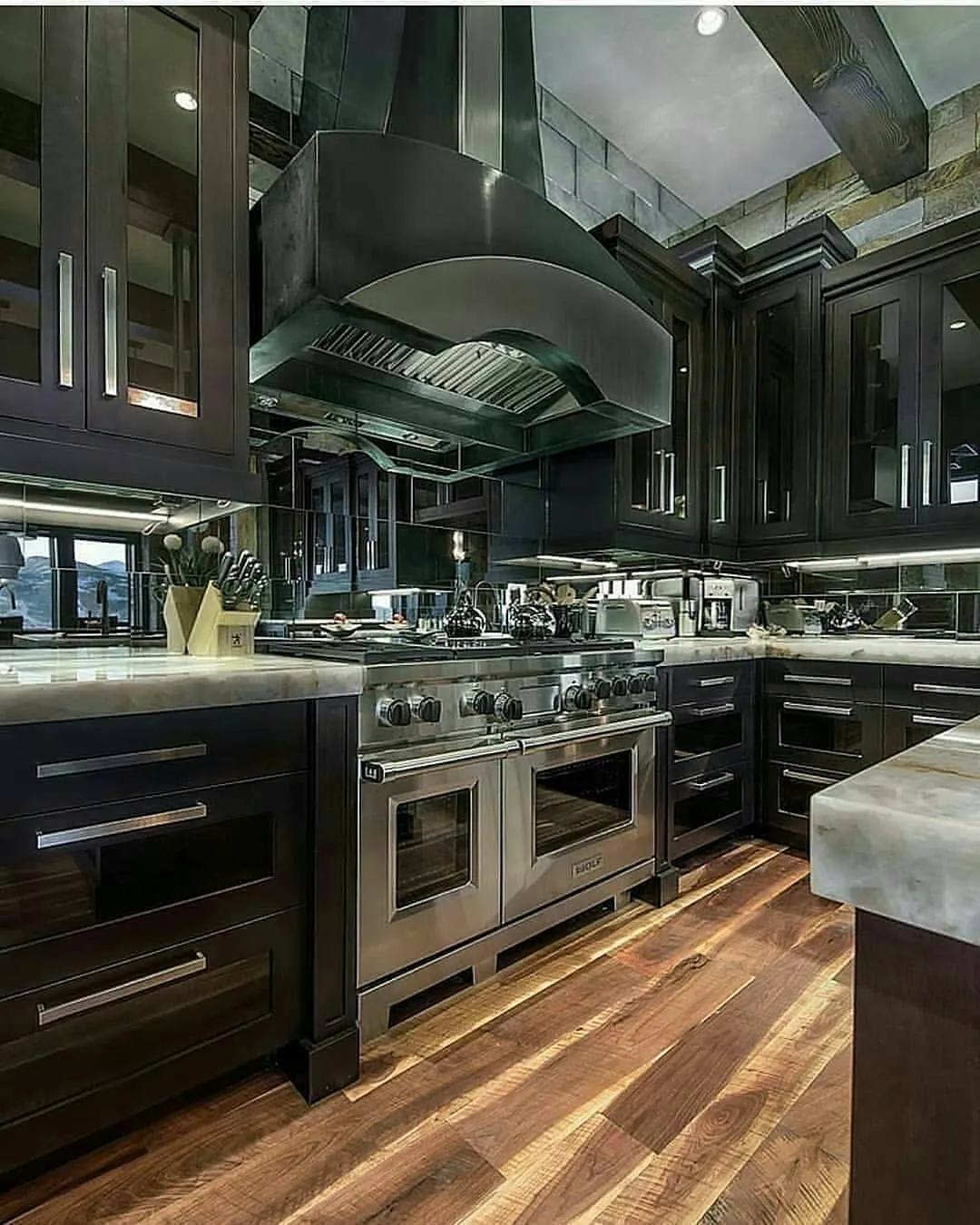
Understanding Kitchen Color Schemes
Kitchen color schemes are more than just picking a few paint colors; they’re about creating a cohesive and inviting space that reflects your personality and lifestyle. The right color palette can transform a kitchen from a functional workspace into the heart of your home. Understanding the basics of color theory, the impact of different colors, and how they interact is crucial for making informed decisions. This involves considering the overall mood you want to create, the amount of natural light in your kitchen, and the existing elements like cabinets, countertops, and appliances. A well-chosen color scheme can enhance the flow of your kitchen, making it feel larger, brighter, and more enjoyable to spend time in. It’s essential to start with a clear vision of what you want to achieve and then explore various color options to bring that vision to life. Planning a kitchen color scheme involves understanding the fundamentals of color theory, the psychology behind different hues, and how various elements in the kitchen interact with color.
The Impact of Color on Kitchen Design
Color significantly influences the perceived size, mood, and functionality of a kitchen. Light colors, such as whites, creams, and light grays, often make a kitchen feel more spacious and airy, reflecting light and creating an illusion of openness. Conversely, darker colors can make a space feel cozier and more intimate, but they may also make a small kitchen feel cramped if not used strategically. The choice of color also impacts the overall style of the kitchen. Bright, bold colors can inject energy and personality, perfect for modern or eclectic designs. Muted tones create a calming and sophisticated atmosphere, well-suited for classic or minimalist styles. The interplay of light and color is also crucial; the same color can appear dramatically different depending on the amount and type of lighting. For example, a color that looks great in natural light might seem dull under fluorescent lights. Considering these factors will help you create a kitchen that’s not only visually appealing but also perfectly suited to your needs and preferences. The impact of color on kitchen design is multifaceted, influencing everything from the perceived size of the room to the overall atmosphere.
Psychological Effects of Colors in Kitchens

Colors have a powerful psychological impact, influencing our emotions, behavior, and overall well-being. In the kitchen, where we prepare food, gather with loved ones, and often start and end our day, the choice of color can significantly affect our mood. Warm colors like reds, oranges, and yellows can stimulate appetite and create a sense of energy and excitement, making them ideal for social spaces. However, they can also be overwhelming if used excessively. Cool colors, such as blues and greens, offer a sense of tranquility and calmness, which can be beneficial in a busy kitchen. They can create a feeling of serenity, but too much blue can also suppress appetite. Neutral colors, like whites, grays, and beiges, offer versatility and create a clean, open feel, making them a safe choice for those unsure of which direction to go. Understanding these psychological effects allows you to choose a color scheme that supports your desired ambiance and complements your daily routine. For instance, a calming blue kitchen can be a relaxing retreat, while a vibrant yellow kitchen can energize you to start your day.
Popular Kitchen Color Scheme Styles
Several popular color scheme styles cater to diverse tastes and preferences. Modern kitchen schemes often embrace clean lines and bold contrasts, featuring colors like black, white, and gray, accented with pops of vibrant color. Classic kitchens frequently utilize neutral palettes with warm wood tones and subtle colors like creams, beiges, and soft blues, creating a timeless and elegant look. Coastal kitchens embrace the serenity of the sea, with light blues, whites, and sandy tones, evoking a sense of calm and relaxation. Farmhouse kitchens often combine rustic elements with a neutral palette, using whites, grays, and soft greens, complemented by natural wood accents for a cozy and inviting atmosphere. The choice of style depends on your personal aesthetic and the architectural features of your home. Each style offers unique characteristics that can transform your kitchen into a stylish and functional space. Experimenting with these styles will help you find the perfect fit for your home.
Modern Kitchen Color Schemes
Modern kitchen color schemes are characterized by their sleek designs and bold contrasts, often incorporating a minimalist approach. Common color combinations include black and white, gray and white, or a combination of neutrals with pops of vibrant color. High-gloss finishes, metallic accents, and geometric patterns are frequently used to enhance the contemporary aesthetic. Sleek, flat-panel cabinets and stainless steel appliances are typical features. Consider pairing dark gray cabinetry with a white countertop and backsplash for a sophisticated look. Alternatively, use a bold color, such as red or teal, for an accent wall or kitchen island to add personality. The goal is to create a clean, uncluttered, and visually striking space that reflects modern design principles. Proper lighting is crucial in modern kitchens. Incorporate LED strip lighting under cabinets and pendant lights over the island to create a well-lit and functional space. The use of natural light is also very important in modern kitchen design.
Classic Kitchen Color Schemes

Classic kitchen color schemes embrace timeless elegance and enduring appeal, often featuring neutral palettes with warm, inviting tones. Cream, beige, and soft gray are popular base colors, paired with accents of wood, subtle blues, or greens. Traditional cabinets, ornate moldings, and elegant hardware are common features. A classic kitchen scheme might involve cream-colored cabinets, a marble countertop, and a light blue backsplash, creating a bright and airy space. To enhance the classic feel, incorporate details like a farmhouse sink, brass fixtures, and paneled walls. The goal is to create a space that is both beautiful and functional, with an enduring style that withstands changing trends. Consider the use of natural materials such as wood and stone, which add warmth and texture to the space. The incorporation of classic design elements helps to create a timeless kitchen.
Coastal Kitchen Color Schemes
Coastal kitchen color schemes are inspired by the serenity of the sea, featuring a palette of blues, whites, and sandy tones. These schemes evoke a sense of calm and relaxation, making them perfect for a light-filled, airy kitchen. Think of light blue cabinets, white walls, and a backsplash with a subtle wave pattern. Natural textures like woven baskets, driftwood accents, and linen textiles enhance the coastal theme. Incorporate elements such as shiplap walls, open shelving, and pendant lights with nautical touches to create a cohesive look. The goal is to bring the breezy, relaxed atmosphere of the coast indoors, creating a space that feels both inviting and refreshing. Consider using a light-colored wood for the flooring, and opt for natural light as much as possible. Coastal color schemes can transform your kitchen into a tranquil seaside retreat.
Farmhouse Kitchen Color Schemes
Farmhouse kitchen color schemes blend rustic charm with a touch of modern elegance, often featuring a neutral palette with warm undertones. Whites, grays, and soft greens are common base colors, paired with natural wood accents and vintage-inspired details. Think of white cabinets, a butcher-block countertop, and a backsplash with subway tiles. Incorporate elements such as a farmhouse sink, open shelving, and distressed furniture to enhance the rustic feel. Accents of black or dark gray can add contrast and visual interest. The goal is to create a cozy, inviting space that feels both functional and stylish. Consider incorporating natural materials, such as wood and stone, which add texture and warmth. Accessorize with vintage finds, such as antique scales and enamelware, to complete the farmhouse aesthetic. This style provides a cozy and welcoming feel.
Choosing the Right Colors for Your Kitchen

Choosing the right colors for your kitchen involves several key considerations. First, assess the amount of natural light in your kitchen; lighter colors reflect light and can make a space feel brighter, while darker colors can absorb light and make a room feel cozier. Consider the size of your kitchen; lighter colors typically make a small kitchen feel larger, while darker colors can make a large kitchen feel more intimate. Evaluate your existing elements, such as cabinets, countertops, and appliances, to ensure the color scheme complements them. Gather inspiration from magazines, online platforms, and design resources to identify colors and styles that appeal to you. Test paint samples in your kitchen before committing to a color; view the samples at different times of the day to see how the light affects them. Select colors that align with your personal preferences and the overall style of your home. Careful planning and consideration will lead to a kitchen that perfectly suits your needs and aesthetic.
Considering Kitchen Size and Lighting
Kitchen size and lighting play critical roles in influencing how colors appear and how they affect the overall ambiance of the room. In small kitchens, lighter colors are often preferred because they reflect light, making the space feel larger and airier. Darker colors can make a small kitchen feel cramped, so use them sparingly, perhaps as accents. In large kitchens, you have more flexibility; darker colors can create a cozy and intimate atmosphere, while lighter colors can maintain an open, spacious feel. The amount and type of lighting also significantly impact color perception. Natural light can make colors appear vibrant and true, while artificial light can affect how colors appear. Test paint samples under various lighting conditions before making a final decision. Consider the use of different types of lighting, such as recessed lighting, under-cabinet lighting, and pendant lights, to enhance the color scheme and create the desired atmosphere. A well-lit kitchen is generally more inviting and functional. Careful consideration of these factors will help you choose colors that create the perfect look and feel for your space.
Selecting Colors for Cabinets and Countertops
The colors you choose for your cabinets and countertops will significantly influence the overall look and feel of your kitchen. Cabinets often take up a large visual space, so their color choice sets the tone for the entire room. Neutral cabinet colors, such as white, gray, and beige, are versatile and pair well with a variety of countertop and backsplash options. Colored cabinets can add personality and visual interest, such as navy, green, or even bolder shades. For countertops, consider the material and finish, as these can affect color choices. Light-colored countertops, such as marble or quartz, create a bright and airy space, while darker countertops add a touch of sophistication. The contrast between the cabinets and countertops should be carefully considered to create visual harmony. If your cabinets are a bold color, opt for a neutral countertop to balance the space. Conversely, if you choose neutral cabinets, a countertop with interesting veining or pattern can add visual interest. Ensure the colors complement each other and the overall design style of your kitchen. Proper coordination of these two elements is crucial.
Matching Wall Colors with Appliances

Matching wall colors with appliances is a crucial step in creating a cohesive kitchen design. Stainless steel appliances are highly versatile and pair well with almost any color. Consider neutral wall colors like white, gray, or beige to complement stainless steel appliances, creating a clean and modern look. For colored appliances, such as black, white, or retro-style options, it’s important to choose wall colors that provide a harmonious contrast. White walls can create a clean, modern look, allowing the appliances to stand out. Gray can provide a subtle contrast, while bold colors can add personality and visual interest. When matching wall colors with appliances, consider the style of the kitchen and the overall aesthetic. Ensure that the wall color enhances the appearance of the appliances, and avoid colors that clash or create a disjointed look. Proper coordination between appliances and walls will enhance the beauty of the kitchen and increase its appeal.
Practical Tips for Kitchen Color Schemes
Several practical tips can help you create the perfect kitchen color scheme. Start by gathering inspiration from magazines, online platforms, and design resources. Create a mood board to visualize the colors, textures, and finishes you want to incorporate. Test paint samples in your kitchen before making a final decision, viewing them at different times of the day to see how the light affects them. Consider the 60-30-10 rule; use one color for 60% of the space, another for 30%, and a third for 10% to create balance. When selecting colors for cabinets, countertops, and backsplashes, ensure they complement each other and the overall design style of your kitchen. Don’t be afraid to experiment with different color combinations and textures. Consider adding accent colors through accessories, artwork, and textiles to inject personality and visual interest. Prioritize the use of high-quality paints and finishes to ensure durability and longevity. By following these practical tips, you can create a kitchen color scheme that reflects your style and enhances your daily life. Careful planning and attention to detail are key to creating a successful kitchen design.
Using Color Psychology to Your Advantage
Leveraging color psychology can significantly enhance the functionality and ambiance of your kitchen. Consider the impact of various colors on your mood and behavior when choosing a color scheme. Warm colors like red, orange, and yellow can stimulate appetite and create a sense of energy, making them ideal for social spaces. However, they should be used in moderation. Cool colors like blue and green offer a sense of calmness and tranquility, making them suitable for a busy kitchen. Blues can suppress appetite; greens often promote relaxation. Neutrals like white, gray, and beige offer versatility and create a clean, open feel, making them a safe choice for those unsure which direction to go. Use colors to create the desired mood in your kitchen, whether you want an energetic, social space or a calm, relaxing retreat. Consider the time of day you use your kitchen most and choose colors that support your lifestyle. For example, if you want to create a welcoming kitchen, opt for warm colors. Understanding the psychology of color helps in making informed decisions.
Creating a Cohesive Kitchen Design

Creating a cohesive kitchen design involves integrating color with other design elements to achieve a harmonious and visually appealing space. Ensure that your chosen color scheme complements the existing architectural features, such as flooring, windows, and doors. Coordinate the colors of the cabinets, countertops, backsplash, and appliances to create a balanced look. Pay attention to the style of your kitchen and choose colors that align with the overall aesthetic. Use textures and patterns to add visual interest and depth to your design. The use of accents in the form of accessories, artwork, and textiles will enhance your kitchen’s appeal. Incorporate different lighting options to highlight your kitchen’s beauty. Consistency in design is critical; make sure that the color palette you choose carries across the entire space. Create a focal point by using a bolder color or pattern on an accent wall or backsplash. The goal is to create a kitchen that feels unified, inviting, and reflects your personal style.
Avoiding Common Kitchen Color Mistakes
Avoiding common kitchen color mistakes is essential to create a successful and visually appealing space. One common mistake is choosing colors without considering the amount of natural light in the kitchen; darker colors can make a small kitchen feel cramped. Another mistake is failing to test paint samples before committing to a color; the same color can appear different in different lighting conditions. Overlooking the importance of contrast between cabinets, countertops, and backsplashes can lead to a bland or unappealing design. Choosing too many colors can also result in a disjointed look; stick to a limited palette. Not considering the existing elements in your kitchen, such as appliances and flooring, can result in a mismatch. To avoid mistakes, gather inspiration, test paint samples, and plan a cohesive color scheme that suits your space and your lifestyle. Considering the style of the kitchen, the amount of natural light, and the existing elements helps create a beautiful and functional space.
Maintaining and Updating Your Kitchen Colors
Maintaining and updating your kitchen colors is crucial for keeping your space looking fresh and modern. Regularly clean and maintain your painted surfaces to prevent dirt buildup and fading. Dust and wash your walls and cabinets as needed, following the manufacturer’s instructions for cleaning. When you’re ready for a change, consider updating your color scheme to reflect current trends or your changing tastes. You can do this by repainting your walls, cabinets, or adding accent colors with accessories. Choose durable, washable paints to withstand the wear and tear of a busy kitchen. A fresh coat of paint can dramatically transform the look of your kitchen without a complete renovation. Consider the use of color psychology to choose colors that support your mood and lifestyle. By maintaining and updating your kitchen colors, you can keep your space vibrant and inviting for years. Proper maintenance and occasional updates will ensure your kitchen remains a stylish and functional space.