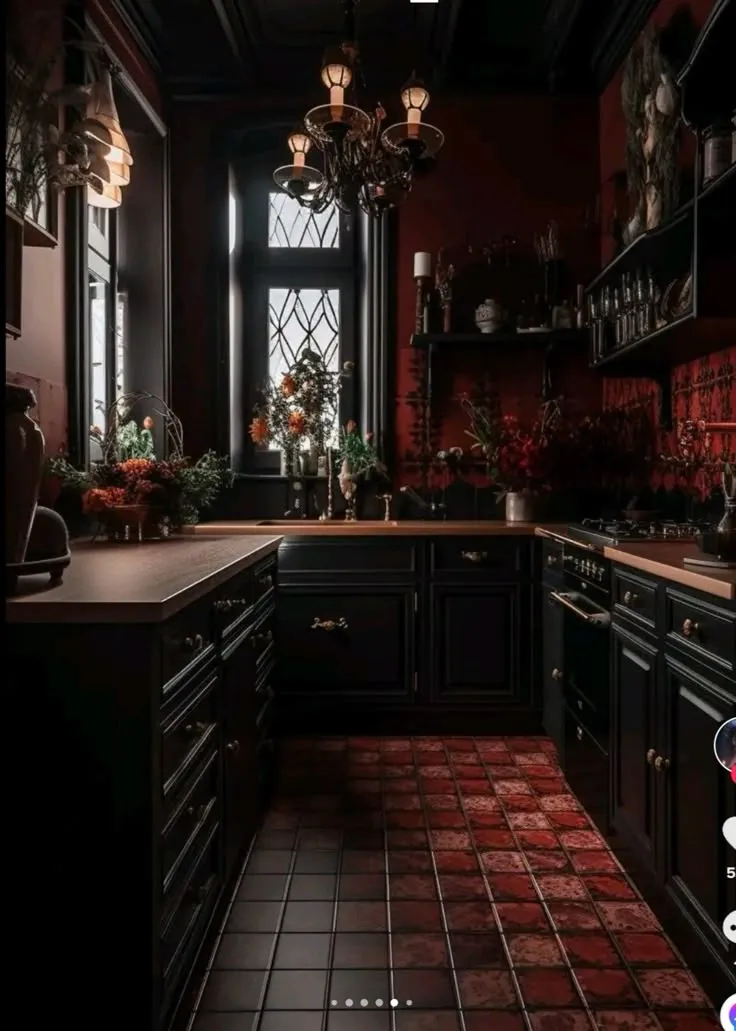
What is Gothic Kitchen Decor
Gothic kitchen decor is a captivating aesthetic that brings a touch of dramatic elegance and historical charm into the heart of your home. It’s a style that embraces dark, moody color palettes, intricate detailing, and a sense of timeless sophistication. Unlike the bright, minimalist kitchens that have dominated design trends in recent years, gothic kitchens celebrate the beauty of the shadows, creating spaces that feel both luxurious and inviting. It draws inspiration from the architecture and design of the Gothic period, which flourished in Europe during the medieval era, particularly from the 12th to the 16th century. If you’re drawn to the allure of the mysterious and the romantic, a gothic kitchen might be the perfect way to express your unique style and transform your cooking space into a stunning sanctuary.
Key Elements of Gothic Kitchen Design
To successfully create a gothic kitchen, understanding its key elements is crucial. This style is characterized by a specific set of features that work together to achieve its distinctive atmosphere. From the color scheme to the materials used, each aspect contributes to the overall aesthetic. These elements are not simply decorative; they are integral to the design. By focusing on these key aspects, you can ensure that your gothic kitchen reflects the style’s core essence and character.
Dark Color Palette

The cornerstone of any gothic kitchen is its dark, rich color palette. Think deep blacks, charcoal grays, burgundy, and even deep shades of green and blue. These colors create a sense of depth and mystery, perfectly encapsulating the gothic aesthetic. The key is to use these dark tones as a foundation, allowing them to set the mood and create a dramatic backdrop for the other design elements. The use of dark colors doesn’t necessarily mean a completely black kitchen, though that can be a stunning choice. Instead, consider a balance of dark shades, paired with accents of lighter colors to prevent the space from feeling too enclosed. The choice of paint, cabinetry finishes, and even the appliances should all contribute to this overall dark theme. The strategic implementation of lighting then becomes critical to prevent the kitchen from feeling too dark.
Ornate Details and Textures
Gothic design thrives on ornate detailing and a variety of textures. This includes intricate carvings, detailed moldings, and textured finishes. Consider incorporating elements like carved wooden panels on cabinets, decorative corbels, and detailed hardware. Textures are important to add depth and visual interest. Use materials like velvet, leather, and wrought iron to enhance the gothic feel. The interplay of different textures, from the smooth surface of a stone countertop to the rough finish of a wooden beam, adds layers of complexity and visual appeal. By focusing on these details, you can create a kitchen that is both visually rich and historically evocative, successfully bringing the gothic aesthetic to life.
Statement Lighting
Lighting is critical in gothic kitchens to set the mood and highlight design elements. Choose fixtures that make a statement, such as wrought iron chandeliers, candelabras, or pendant lights with ornate detailing. The lighting should be both functional and decorative, casting shadows that enhance the dramatic atmosphere. The choice of lightbulbs is also important; opting for warm-toned bulbs can create a more inviting and mysterious ambiance. Layering different types of lighting—ambient, task, and accent—is essential for achieving the right balance. The strategic placement of lighting can draw attention to specific design features and create focal points within the kitchen. Consider incorporating dimmers to adjust the lighting based on the time of day or the desired mood.
Gothic Kitchen Decor Materials

The materials used in a gothic kitchen are central to its overall aesthetic, playing a significant role in creating the intended atmosphere. The choice of materials should be driven by the need to reflect both luxury and a sense of history. The materials you select will affect not only the visual appeal of the kitchen but also its functionality and durability. Materials such as wood, stone, and metal are typical choices to bring the gothic design to life. These materials, often used in combination, create a cohesive and authentic gothic design. It’s important to choose materials that not only align with the style but also meet your lifestyle needs. Durability and ease of maintenance should be factored into your decisions.
Wood and Stone
Wood and stone are the essential elements of gothic kitchen design. Dark-stained wood, such as mahogany or walnut, is excellent for cabinetry, flooring, and architectural details. Stone countertops, like granite or marble, add both a touch of luxury and a connection to the historical period. The textures of these natural materials add layers of complexity and visual interest to the space. Use wood for exposed beams and structural elements to enhance the architectural character. Stone can be used not only for countertops but also for backsplashes and flooring to tie the design together. The contrast and combination of wood and stone create a visually stunning and functionally practical space.
Metals and Hardware
Metals play a significant role in gothic kitchens, adding accents and architectural detail. Wrought iron is a key element, perfect for light fixtures, cabinet hardware, and decorative accents. Other metals, like bronze and pewter, are also suitable choices, lending an air of sophistication. The hardware, such as cabinet pulls and knobs, is a great opportunity to add ornate detailing. Consider using hardware with intricate designs and dark finishes to enhance the gothic atmosphere. These metallic accents not only add visual appeal but also provide a textural contrast to the wood and stone elements. The metallic accents can also create focal points, drawing the eye and enhancing the overall design.
Incorporating Gothic Kitchen Decor
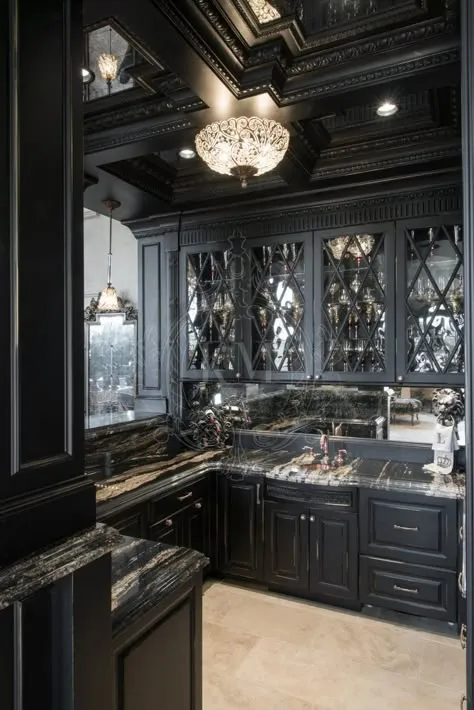
Getting started with gothic kitchen decor can seem daunting, but there are practical steps you can take to begin the transformation. Whether you’re undertaking a complete renovation or just looking to update your current kitchen, the key is to gradually introduce the elements of the gothic style. Starting with the basics and focusing on key pieces can help you achieve the desired look without overwhelming the space. The goal is to create an atmosphere that is both elegant and welcoming, a place where the drama of the design and the warmth of the space converge.
Start with the Basics
If you are just starting out, start with the basics. Begin by considering a dark color palette for the walls or cabinets. Paint the walls in a deep shade of gray or a rich, dark blue. Alternatively, repaint existing cabinetry or replace cabinet doors with gothic-style designs. Change out the hardware with wrought iron or other dark metal pulls and knobs. Add gothic-inspired lighting fixtures, such as a wrought-iron chandelier or pendant lights. These foundational elements will help establish the gothic aesthetic. Changing the basics can be an easy and effective way to introduce gothic elements into the space without a complete overhaul.
Focus on Key Pieces
Once you have established the foundational elements, focus on key pieces. Invest in gothic-style furniture, such as a dining table with intricate carvings or a buffet with a dark, ornate finish. Choose a statement chandelier or pendant lights to create a focal point. Consider adding a stone countertop or a marble backsplash to enhance the luxurious feel. These key pieces will instantly elevate the gothic aesthetic. Select pieces that are both functional and beautiful to make the best use of space and create the desired atmosphere. Focusing on a few key pieces at a time allows for a more focused and impactful design.
Add Accent Elements

Accent elements add personality and bring the style together. Incorporate decorative accents such as gothic-style mirrors, wrought-iron candle holders, and vintage-style artwork. Add textured elements such as velvet or leather bar stools or accent chairs. Place gothic-inspired accessories on countertops and shelves. These additions enhance the overall design and add a layer of personal expression. Choose accent elements that complement the existing color scheme and materials. Adding accent elements is a perfect way to experiment with different styles and add unique touches to the space.
Sourcing Gothic Kitchen Decor
Finding the right pieces for your gothic kitchen is crucial to bringing the design to life. Knowing where to source specific items can streamline the design process and help you find items that match your budget and design preferences. From specialty stores to DIY projects, a variety of avenues can help you realize your gothic kitchen vision. Careful planning and sourcing can make the project both successful and enjoyable. Researching options and being prepared to invest the time and energy needed can make all the difference.
Where to Buy Gothic Kitchen Items
There are many places to source gothic kitchen items. Specialty home decor stores often carry gothic-inspired furniture, lighting, and accessories. Antique shops and flea markets are excellent sources for unique, vintage pieces with character. Online marketplaces offer a wide selection of gothic decor, from individual items to complete sets. Check out architectural salvage yards for unique materials, such as reclaimed wood or decorative architectural elements. Consider visiting local artisans for custom-made items, such as lighting fixtures or metalwork. Compare prices and options from multiple sources to find the best value and design that matches your taste.
DIY Gothic Kitchen Projects

DIY projects are a great way to add personal touches to your gothic kitchen and save money. Create custom artwork or decorative pieces to match the design scheme. Build or refinish furniture with dark stains and finishes, like an antique-style kitchen island or a rustic dining table. Repurpose old items, such as antique mirrors or vintage frames, to incorporate into the space. Craft your own gothic-inspired lighting fixtures using wrought iron or metal elements. These DIY projects allow you to personalize the space and express your creativity. Plan your DIY projects in advance, and ensure you have the necessary skills and tools. If you are not confident in your DIY abilities, consider taking a class or hiring assistance.
In conclusion, creating a gothic kitchen can be an enjoyable and rewarding design project. By understanding the key elements, carefully selecting materials, and considering various sourcing options, you can transform your kitchen into a stunning and dramatic space that reflects your personal style. Whether you are an experienced designer or new to gothic decor, remember to embrace the unique aesthetic and infuse your personal touches throughout the space. With careful planning and attention to detail, you can create a kitchen that is both beautiful and functional, reflecting the timeless elegance of gothic design.