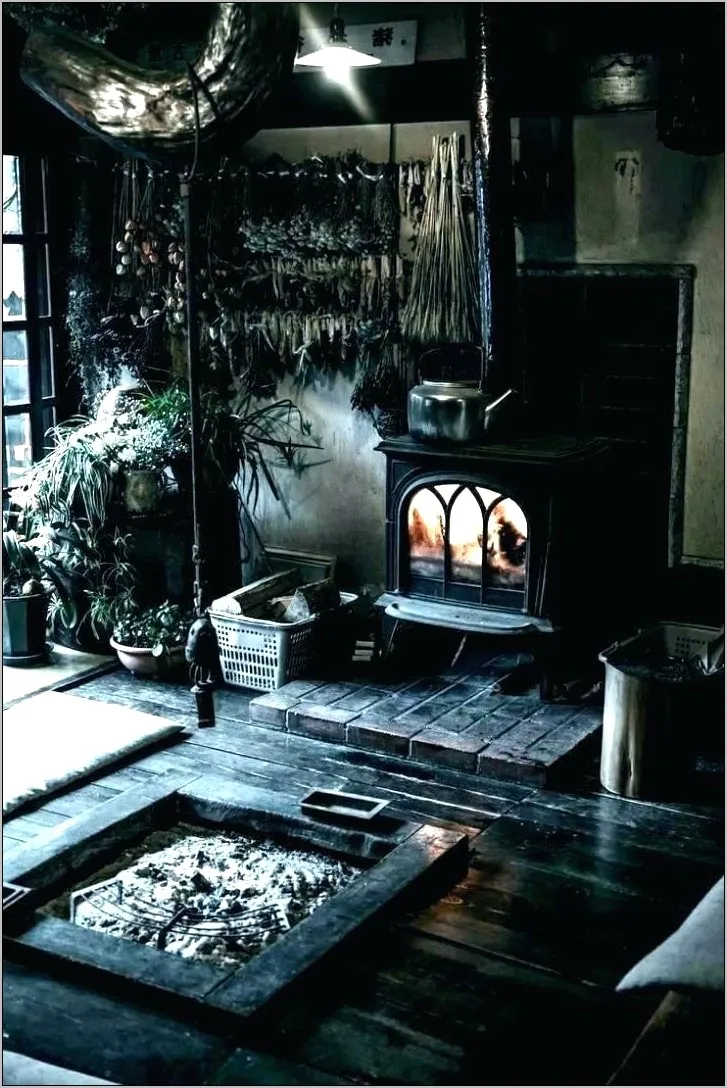
Gothic Kitchen Decor Ideas
Transforming your kitchen into a gothic haven is a captivating way to infuse your home with drama, mystery, and timeless elegance. Gothic kitchen decor embraces a rich aesthetic, drawing inspiration from medieval architecture, Victorian design, and a touch of the macabre. It’s about creating a space that feels both luxurious and slightly mysterious, a place where you can cook, dine, and entertain in an atmosphere that’s far from ordinary. This article explores five amazing ideas to help you achieve the perfect gothic kitchen, combining classic elements with modern touches to create a truly unique space. Prepare to be inspired and discover how to bring a touch of gothic charm into the heart of your home.
Dark Color Palette
The foundation of any gothic kitchen lies in its color palette. Embrace deep, rich hues that evoke a sense of mystery and sophistication. Think of colors like charcoal gray, deep burgundy, forest green, and, of course, black. These colors provide a dramatic backdrop for the other elements in your kitchen. They create a sense of intimacy and elegance, setting the stage for the gothic aesthetic. To prevent the space from feeling overly dark, consider using these darker shades in moderation, balancing them with lighter accents and strategic lighting. This careful balance will ensure the kitchen feels inviting rather than oppressive. Explore the use of matte finishes to enhance the depth of these colors and create a more tactile experience within the space. The right color palette is the first step towards a captivating gothic kitchen.
Deep, Dramatic Walls

Painting your kitchen walls in a deep, dramatic color is a key step in achieving the gothic look. Consider a rich charcoal gray, a deep forest green, or even a dramatic black. These colors create a sense of depth and mystery, immediately transforming the space. To add visual interest, consider using textured paint or applying a faux finish to mimic the look of aged stone or plaster. This adds layers and a tactile quality that is essential for the gothic aesthetic. If you’re hesitant to commit to painting all the walls, consider an accent wall or incorporating dark-colored wallpaper with gothic-inspired patterns, such as damask or fleur-de-lis. These choices will instantly elevate the gothic ambiance.
Rich, Dark Cabinetry
The cabinetry plays a significant role in defining the style of your gothic kitchen. Opt for rich, dark-stained wood or consider painting your cabinets in one of the deep colors from your palette. Dark cabinetry immediately conveys a sense of sophistication and elegance. If you’re looking for an authentic gothic feel, consider cabinets with intricate detailing, such as raised panels, ornate carvings, or even gothic arch designs. The hardware on your cabinets is just as important – choose antique bronze, wrought iron, or pewter handles and knobs to complete the look. These details will add an extra layer of authenticity and visual interest, perfectly complementing your chosen color scheme and overall design. Dark cabinetry is essential for a truly gothic kitchen.
Embracing Texture
Gothic design thrives on texture, creating a rich and layered visual experience. Introduce texture through various materials and finishes to add depth and interest to your kitchen. This can include rough-hewn wood, stone, brick, and metal. Each element should contribute to the tactile and visual richness of the space. Texture adds another dimension and makes the space feel more inviting and less stark. Consider using textured tiles for the backsplash, adding a stone countertop, or incorporating a brick accent wall. Embrace these textures to create a truly immersive gothic kitchen.
Stone and Brick

Stone and brick are fundamental elements in achieving the gothic aesthetic, evoking the medieval architecture that inspires the style. Consider incorporating a stone countertop, which will add a touch of rustic elegance and visual weight. Alternatively, you might use brick for a backsplash or an accent wall, which instantly brings a sense of history and texture to the space. The natural variations in stone and brick add character and a unique quality that aligns perfectly with the gothic sensibility. These materials provide a solid foundation for the rest of your design, adding depth and a sense of timelessness. Using stone and brick is a great way to ground your kitchen in gothic history.
Ornate Metalwork
Metalwork is another key element, adding sophistication and visual intrigue. Wrought iron, bronze, and pewter are ideal choices for hardware, lighting fixtures, and decorative accents. Consider wrought iron cabinet handles or intricate metal detailing on your range hood. These elements will create a sense of artistry and craftsmanship. The dark, metallic finishes will contrast beautifully with your dark color palette and add a touch of glamour. Choose fixtures with intricate designs and curves, reminiscent of gothic architecture. The careful incorporation of metalwork enhances the drama and elegance of your gothic kitchen, creating a cohesive and visually stunning design. These details are a must for completing your gothic kitchen.
Statement Lighting
Lighting is critical in gothic design, creating mood and highlighting the features of your space. Choose statement lighting fixtures that are both functional and decorative. Opt for designs that reflect gothic architectural elements. Consider chandeliers, sconces, and pendant lights that feature ornate details, dark finishes, and dramatic silhouettes. Proper lighting can completely transform the atmosphere of a room, creating both a sense of mystery and providing sufficient illumination for your cooking and dining needs. Layering different types of lighting will add dimension and create a truly captivating gothic ambiance.
Chandeliers and Sconces

Chandeliers and sconces are essential for achieving the gothic look, adding both light and decorative flair. Look for chandeliers with intricate metalwork, crystal accents, or a dramatic, tiered design. Place sconces on either side of your cabinets or above your countertops for a touch of elegance and ambiance. These fixtures should be carefully selected to complement the other elements of your kitchen. Chandeliers can serve as a focal point, while sconces add a touch of mystery and warmth. Select designs that are evocative of the gothic style and complement your chosen color palette. Remember, the right lighting will illuminate your gothic kitchen and add to its overall allure.
Layered Lighting
Layered lighting is key in creating the right atmosphere in a gothic kitchen. Combine ambient, task, and accent lighting to achieve the desired effect. Use a combination of chandeliers, sconces, pendant lights, and under-cabinet lighting. The goal is to create a warm and inviting space. Under-cabinet lighting can illuminate your countertops and add task lighting for food preparation. Dimmers are your friend: use them on your main lighting fixtures to adjust the mood as needed. Layered lighting will make your gothic kitchen feel both functional and enchanting, enhancing the overall experience and creating a unique ambiance.
Accessorizing with Gothic Elements
Accessories are essential for completing your gothic kitchen. They provide the finishing touches that bring the entire space together. Choose items that reflect gothic themes and add personality to your space. Think of items such as ornate candle holders, antique decor, and artwork. These elements tie the design together, creating a cohesive and visually stunning space.
Candle Holders and Candelabras

Candle holders and candelabras are perfect for adding a touch of gothic charm. Choose pieces with ornate designs, dark finishes, and a sense of mystery. Place them on your countertops, shelves, or dining table to create a warm and inviting ambiance. Candles add a touch of soft light and romanticism. These pieces are perfect for adding personality and completing your gothic kitchen. They add to the character and mystery of your gothic kitchen, creating an inviting atmosphere.
Antique Decor and Art
Incorporate antique decor and art to complete the gothic aesthetic. Consider adding antique mirrors, wrought iron wall art, or vintage paintings to your kitchen. Antique items add a sense of history and character, complementing the darker color palette and rich textures. Choose artwork with gothic themes, such as portraits, landscapes, or still-life paintings. These items provide visual interest and add a touch of sophistication to your kitchen. Antique decor and art add a sense of history to the space, creating an immersive experience.
Modern Gothic Touches
While embracing the gothic aesthetic, you can incorporate modern touches to create a kitchen that is both stylish and functional. This will prevent your kitchen from feeling dated or overly themed. Modern appliances and sleek designs can blend well with the gothic elements. These pairings create a harmonious blend of old and new.
Blending Styles

Blending gothic and modern styles can create a sophisticated and inviting kitchen. This involves integrating contemporary elements that complement the gothic design. For instance, you might pair dark cabinetry with sleek, stainless steel appliances. By mixing and matching, you can create a kitchen that feels both timeless and updated. Modern elements add functionality and prevent the space from feeling overly themed, creating a balanced and inviting design.
Modern Appliances
Modern appliances can seamlessly integrate into a gothic kitchen. Opt for stainless steel appliances or models with a black finish to complement your dark color palette. These appliances will add a touch of sleekness and modernity, creating a balance between the old and the new. Ensure that your appliances are functional and stylish, enhancing your cooking experience. Modern appliances add a functional touch and a sense of modernity, allowing your gothic kitchen to be both stylish and functional.
Minimalist Gothic
For a more minimalist approach, focus on key gothic elements. This allows you to create a gothic-inspired kitchen without overwhelming the space. Use a neutral base with gothic accents. This style combines the essence of the gothic aesthetic with a modern, uncluttered design. The minimalist approach can prevent the space from feeling cluttered or dated. The goal is to create a space that is both elegant and functional.
Creating the Gothic Kitchen

Transforming your kitchen into a gothic haven is an exciting project. You can create a space that is both beautiful and functional by combining these elements. Start by planning your space. Then, consider finding inspiration from various sources, and don’t be afraid to experiment and personalize your kitchen. These steps will help you create a space that reflects your unique style and aesthetic preferences.
Planning Your Space
Before you start decorating, plan your kitchen design carefully. Consider the layout, the flow of the space, and your storage needs. Create a design that reflects your personal style and preferences. This will involve measuring your space, considering the placement of appliances, and determining the best layout. Planning your space will ensure that the design is both functional and aesthetically pleasing, allowing you to make the most of your kitchen. Think about what you want to achieve and how the space can best serve your needs. A well-planned space is key to a successful gothic kitchen transformation.
Finding Inspiration
Seek inspiration from various sources, such as interior design magazines, online platforms, and historical architecture. Pinterest, Instagram, and design blogs are excellent sources for discovering gothic kitchen decor ideas. Browse through these resources to find inspiration and understand the different ways to achieve the gothic aesthetic. Study the colors, textures, and materials used in these spaces, allowing them to inform your design choices. The goal is to gather ideas and find the perfect aesthetic to match your personal style, making sure the final result is unique and reflects your personal taste.