What is Cookware
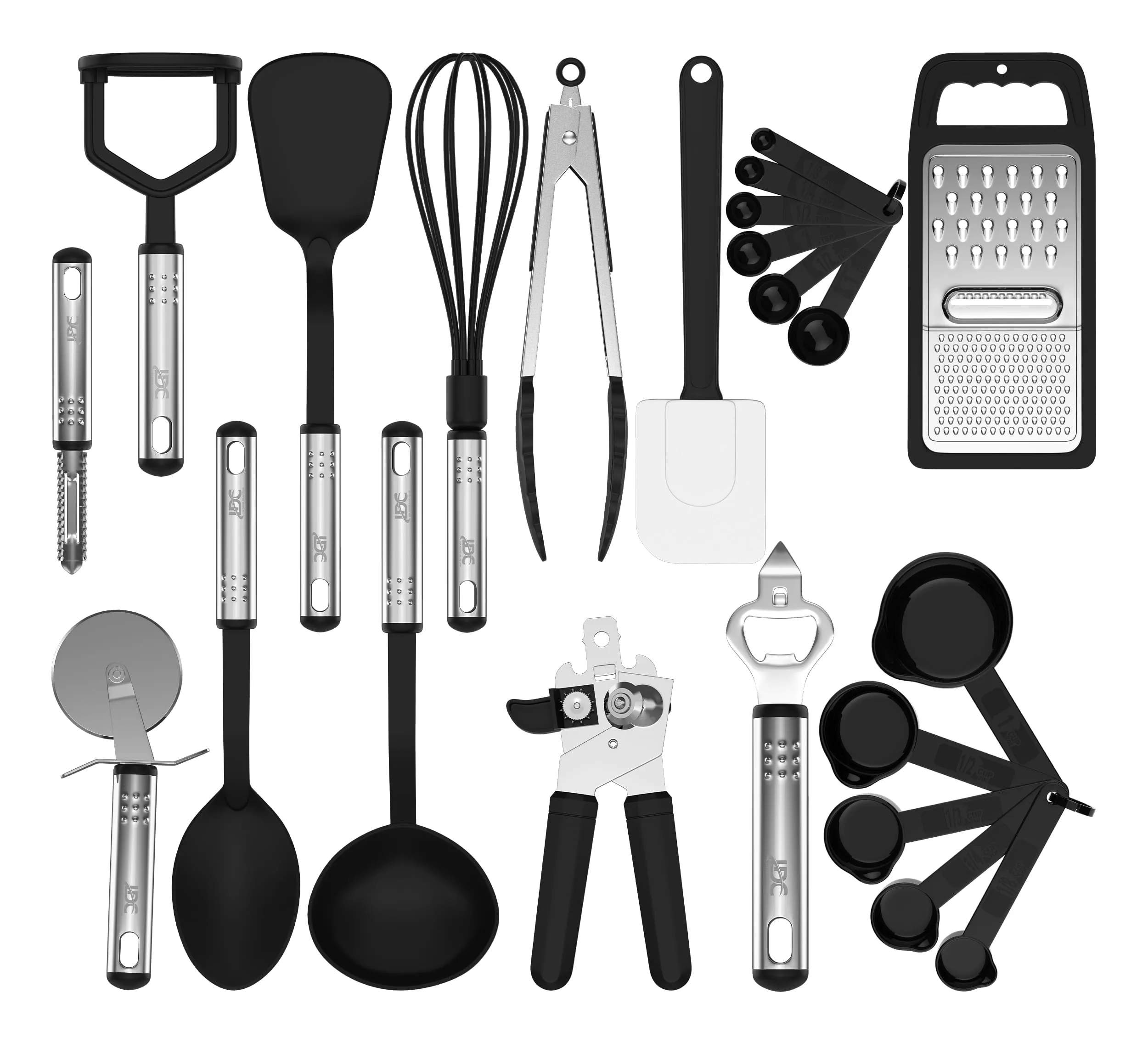
Cookware is an essential part of any kitchen, acting as the cornerstone for food preparation. It encompasses a wide range of tools, from pots and pans to skillets and woks, each designed to perform specific cooking tasks. Choosing the right cookware is crucial as it directly impacts the quality of your meals. The materials, construction, and features of your cookware determine how evenly your food cooks, how easy it is to clean, and how long it will last. A well-chosen set can make cooking a joy, while a poorly chosen one can lead to frustration and unevenly cooked dishes. Investing in quality cookware is an investment in your culinary experiences. Understanding the different types of cookware and their properties allows you to make informed decisions that cater to your cooking style and needs.
Different Types of Cookware Materials
The material your cookware is made from greatly affects its performance. Each material offers unique benefits and drawbacks, so considering your cooking habits and preferences is important. From the heat distribution of stainless steel to the non-stick properties of ceramic, the choice of material impacts everything from cooking performance to cleaning ease. Understanding these differences will guide you in selecting the best cookware for your kitchen. Consider how the cookware will interact with various foods and cooking methods, helping you prepare delicious and consistent meals.
Stainless Steel

Stainless steel cookware is a popular choice for its durability, versatility, and ease of cleaning. Known for its resistance to rust, staining, and pitting, stainless steel is a hygienic option that doesn’t react with acidic foods. It heats up quickly and evenly, ensuring consistent cooking results. While stainless steel may require a bit more attention to prevent sticking, its longevity and ability to handle high heat make it a favorite among both professional chefs and home cooks. Furthermore, stainless steel is often oven-safe, making it ideal for dishes that require both stovetop and oven cooking.
Cast Iron
Cast iron cookware is celebrated for its exceptional heat retention and durability. These qualities make cast iron ideal for searing, frying, and slow-cooking dishes. Seasoned cast iron develops a natural non-stick surface over time, improving with each use. Cast iron can withstand extremely high temperatures, making it suitable for both stovetop and oven use. However, cast iron requires special care, including regular seasoning and avoiding harsh soaps, to maintain its quality. While it’s heavier than other cookware materials, its ability to distribute heat evenly and retain it for extended periods is unmatched, making it a valuable addition to any kitchen.
Nonstick Cookware
Nonstick cookware offers the advantage of easy food release and effortless cleaning, making it perfect for delicate foods like eggs and pancakes. Modern nonstick coatings, often made from materials like Teflon or ceramic, prevent food from sticking to the surface. This reduces the need for excessive oil or butter, promoting healthier cooking. Nonstick cookware is generally lighter than other types, making it easier to handle. However, nonstick coatings are prone to scratching and should be used with non-abrasive utensils. It is also important to replace nonstick pans when the coating starts to degrade to ensure optimal performance and safety.
Copper Cookware

Copper cookware is prized for its exceptional heat conductivity, which ensures precise temperature control. Copper heats up and cools down rapidly, providing cooks with unparalleled control over their dishes. Its elegant appearance also makes it a stylish addition to any kitchen. Often, copper cookware is lined with stainless steel to prevent direct contact with food. Copper is known for its high price point and requires careful maintenance to preserve its luster and prevent tarnishing. Despite these considerations, the superior performance and aesthetic appeal of copper cookware continue to make it a luxury choice for serious cooks.
Other Materials to Consider
Other materials also present their own unique characteristics. Ceramic cookware is celebrated for its non-toxic properties and eco-friendliness. Enameled cast iron combines the durability of cast iron with the ease of cleaning of an enamel coating. Hard-anodized aluminum offers excellent heat distribution and scratch resistance, while also being relatively lightweight. Each material presents its own advantages and disadvantages, allowing for customization based on different cooking styles and budget requirements. Exploring these diverse materials allows you to build a cookware collection that perfectly complements your culinary preferences.
Cookware Features to Look For
Beyond materials, several features can significantly enhance your cooking experience. These features include the design of handles, the fit of lids, and the way heat is distributed. Considering these elements when selecting cookware ensures that you are choosing tools that are not only functional but also comfortable and efficient to use. Attention to these details can make a substantial difference in the ease with which you prepare meals and the quality of the final product. Proper handle design can reduce strain, while lids that fit snugly can trap moisture and heat for optimal cooking results.
Handle Design

The design of a cookware’s handles affects your comfort and safety in the kitchen. Look for handles that are securely attached, heat-resistant, and ergonomically designed for a comfortable grip. Stay-cool handles made from materials like silicone or specially designed metal alloys are a great choice, as they reduce the risk of burns. The handle’s shape and length also play a role, with longer handles providing better balance and leverage. Consider the handle’s weight and how it feels in your hand, especially when the pan is full. A well-designed handle can make a big difference in your cooking experience, ensuring ease of use and safety.
Lid Fit
The fit of the lid impacts the cooking process by controlling moisture and heat retention. Lids that fit snugly help to trap steam, which can lead to faster cooking times and more tender results. Look for lids made from tempered glass, which allow you to monitor your food without lifting the lid. This feature helps to maintain consistent temperatures. Well-fitting lids can also improve energy efficiency by reducing heat loss. Consider lids with steam vents to prevent pressure buildup, particularly for dishes that simmer or boil. A well-fitting lid can transform the way you cook, ensuring your dishes are cooked perfectly and efficiently.
Heat Distribution
Even heat distribution is crucial for preventing hot spots and ensuring that your food cooks uniformly. Cookware with good heat distribution heats up quickly and evenly, so all parts of the food cook simultaneously. Stainless steel and copper are known for their excellent heat distribution. The thickness of the cookware’s base also affects heat distribution, with thicker bases generally providing better performance. Investing in cookware with superior heat distribution can prevent burned food, ensure your dishes cook through properly, and enhance the overall flavor and texture of your meals. Check reviews to confirm the cookware’s heating capabilities.
Weight and Balance

The weight and balance of cookware influence its ease of use and stability in the kitchen. Cookware that is too heavy can be difficult to maneuver, especially when filled with food. Look for cookware that feels balanced in your hand, with a comfortable weight that allows you to lift and move the pan safely. A balanced pan is less likely to tip over on the stovetop, reducing the risk of spills and accidents. Lightweight cookware can be easier to handle but may not distribute heat as well as heavier options. Finding the right balance between weight and heat distribution is key for a pleasant cooking experience.
Consider Your Cooking Needs
Your cooking style and the types of dishes you frequently prepare should guide your cookware selection. Consider your preferences regarding cooking methods, from searing and frying to slow-cooking and baking. Choosing cookware that complements your cooking habits ensures that you have the right tools to create your favorite meals with ease and efficiency. Analyzing your current culinary habits allows you to make more informed decisions. Consider how often you cook, the types of foods you prepare, and the cooking techniques you employ most often. This analysis will help you assemble a cookware set that meets your requirements.
What type of cooking do you often do
Different cooking methods benefit from specific cookware types. For example, if you frequently sear meats, cast iron or stainless steel are excellent choices due to their high-heat capabilities. If you’re a baker, consider oven-safe cookware such as stainless steel or cast iron. For delicate foods like eggs or pancakes, nonstick cookware is almost essential. Think about your go-to recipes and which cookware will help you achieve the best results. Choosing cookware that is appropriate for your most common cooking techniques can greatly enhance your experience. Understanding these specific needs will allow you to select the right tools for the job.
What is your budget
Cookware prices can vary widely depending on the material, brand, and features. Setting a budget helps you narrow down your options and focus on the cookware that best fits your financial limits. It’s often better to invest in fewer high-quality pieces that will last longer than to buy a large set of low-quality cookware. Consider the long-term value of each piece, including durability, performance, and the warranty provided. Look for sales and discounts, and consider building your cookware collection gradually to spread out the cost. Prioritizing quality over quantity can lead to more satisfying cooking experiences and lasting value.
How much storage do you have
The amount of storage space in your kitchen impacts the size and type of cookware set that you can realistically accommodate. If you have limited space, consider nesting cookware sets or opting for versatile individual pieces. Stackable cookware can help save space, especially in small kitchens. Think about where you will store your cookware and choose pieces that fit comfortably in your cabinets or on your racks. Avoid buying more cookware than you have room to store. Making smart choices will ensure your kitchen remains organized and efficient. Prioritize functionality and organization when selecting your cookware.
Cookware Sets vs Individual Pieces
Deciding between buying a cookware set or purchasing individual pieces depends on your needs and preferences. Sets offer convenience and often come with a lower per-piece cost. Individual pieces allow for greater customization and the ability to select exactly what you need. Consider the advantages and disadvantages of each approach. Weigh the benefits to make an informed decision that fits your cooking style. Both methods have their merits, so choose the option that best suits your needs. Taking the time to consider this choice will influence your overall kitchen experience.
Advantages of Cookware Sets

Cookware sets provide the convenience of having a complete collection of cookware in one purchase. They often include essential pieces like saucepans, skillets, and a stockpot, providing everything you need to start cooking. Sets are usually more cost-effective than buying individual pieces. They also ensure a consistent look in your kitchen. Sets eliminate the guesswork of trying to find matching cookware. These are a great choice for beginners or for those who want to fully equip their kitchen at once. They offer a simple and coordinated way to create a functional and stylish kitchen.
Advantages of Individual Pieces
Purchasing individual cookware pieces allows for greater customization. You can select only the pieces you need, avoiding the clutter of unused items. This approach lets you prioritize the types of cookware you will use most frequently. Purchasing individual pieces allows you to choose higher-quality items or specific materials for each piece. It is ideal if you have particular preferences or specialized cooking needs. This offers flexibility and the ability to build a cookware collection gradually, based on your evolving cooking style and preferences. This also lets you replace items as needed. Individual pieces ensure you get exactly what you want.
How to Care for Your Cookware
Proper care extends the life of your cookware and ensures that it performs at its best. Each type of material requires specific cleaning, storage, and maintenance practices. Following these guidelines will help you protect your investment. Proper maintenance keeps your cookware in great condition and prevents potential damage. Make it a habit to clean and store your cookware correctly. Doing so will contribute to its longevity. Understanding how to properly care for your cookware will enhance your cooking experience and guarantee its ongoing use.
Cleaning
Always clean your cookware after each use to remove food residue and prevent the buildup of stains. Use the appropriate cleaning methods for each material. For stainless steel, use hot soapy water and a non-abrasive sponge or cloth. For cast iron, avoid using soap, as it can strip away the seasoning; instead, clean with hot water and a stiff brush. Nonstick cookware should be hand-washed with a soft sponge and mild soap. Avoid using abrasive cleaners or scouring pads. Immediately cleaning will ensure your cookware is ready for its next use. Follow the manufacturer’s instructions.
Storage
Proper storage helps to protect your cookware from damage. Store pots and pans in a dry place. Consider using pot protectors between pieces to prevent scratching. For cast iron, ensure it is completely dry before storing it. Hanging cookware on a rack is another way to store your pots and pans, as it keeps them easily accessible. This method is also helpful if you have limited storage space. By carefully storing your cookware, you can extend its lifespan and keep your kitchen organized. Storing them correctly will help you protect them from scratches and dents.
Maintenance
Regular maintenance will keep your cookware in optimal condition. Season cast iron cookware regularly to maintain its non-stick properties. Inspect your nonstick pans for scratches and replace them when necessary. For stainless steel, occasionally remove hard water spots. If you notice discoloration, a stainless steel cleaner can help. Following these maintenance practices will keep your cookware in great condition. These small steps can extend the life of your cookware and ensure its continued performance. Consistent maintenance guarantees lasting performance.
Conclusion
Choosing the right cookware is an essential step in creating a functional and enjoyable kitchen. Understanding the different materials, features, and your cooking needs is vital to make an informed decision. Whether you are a seasoned chef or a home cook, investing in high-quality cookware enhances your cooking experience. Proper care and maintenance are also essential to extend the life of your cookware. By considering these factors, you can build a cookware collection that will last for years, allowing you to create countless delicious meals. Making a well-informed decision will elevate your culinary experiences, so take the time to consider all your options.